Last Updated on December 16, 2025 by teamobn
At a glance
- A secret room is a hidden space in a home, often disguised as a wall, closet, bookshelf, or floor.
- People use secret rooms as safe rooms, quiet offices, storage areas, or fun play spaces for kids.
- Popular secret room ideas include closet-backed rooms, hidden wall passages, bookshelf doors, and floor trapdoors.
- Planning a secret room should include structure checks, building permits, safety features, and ventilation.
- Modern secret rooms often use reinforced materials, smart locks, cameras, and climate control.
- Legal and safety rules still apply to secret rooms, and you may need to inform your insurer or future buyers.
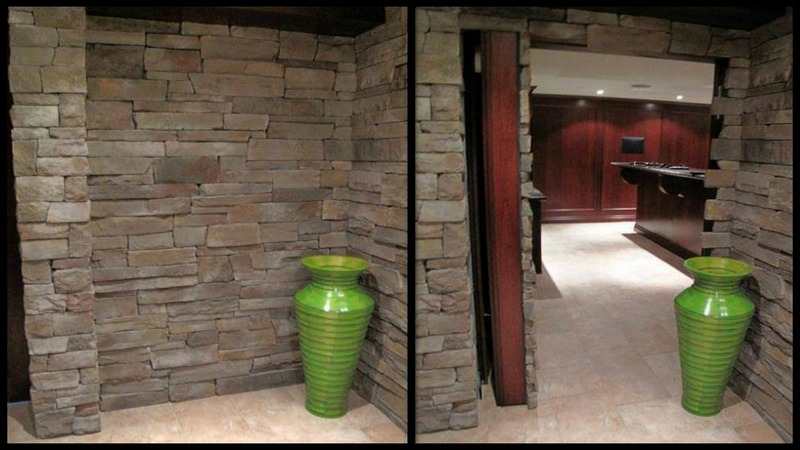
Secret rooms feel magical. They are hidden spaces in a home that are disguised behind doors, walls, floors, or furniture. From the outside, they look ordinary, but inside, they can be safe rooms, quiet offices, storage areas, or playful hideouts for kids.
In this guide, you will find simple, real-world ideas for secret rooms that you can add to your home. You will also learn how to plan a secret room safely, how modern technology is used in hidden rooms, and what legal and safety rules you should think about before building one.
Whether you want a place to store valuables, a private retreat, or a fun surprise for your family, a well-designed secret room can add both mystery and function to your home.
What Is a Secret Room?
A secret room is a space in a house that is hidden from plain sight. It usually has a disguised entrance that blends in with the rest of the room. To most visitors, it looks like a normal wall, closet, shelf, or floor.
People use secret rooms for many reasons:
- To create a safe room or panic room
- To hide valuables and important documents
- To build a quiet office, reading nook, or hobby room
- To give kids a fun hideout or playroom
- To create a unique feature that makes the home more interesting
Secret rooms have existed for centuries in castles, mansions, and historic houses. Today, you can find them in small homes, modern apartments, and suburban houses.

Click on any image to start the lightbox display. Use your Esc key to close the lightbox. You can also view the images as a slideshow if you prefer 😎
Popular Secret Room Ideas
Here are some of the most common and practical ways to add a secret room to your home.
Secret Room Behind a Closet
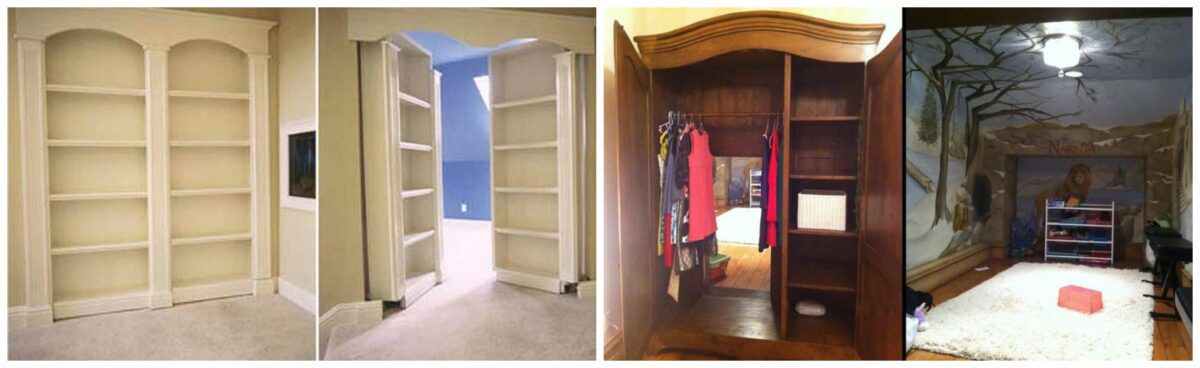
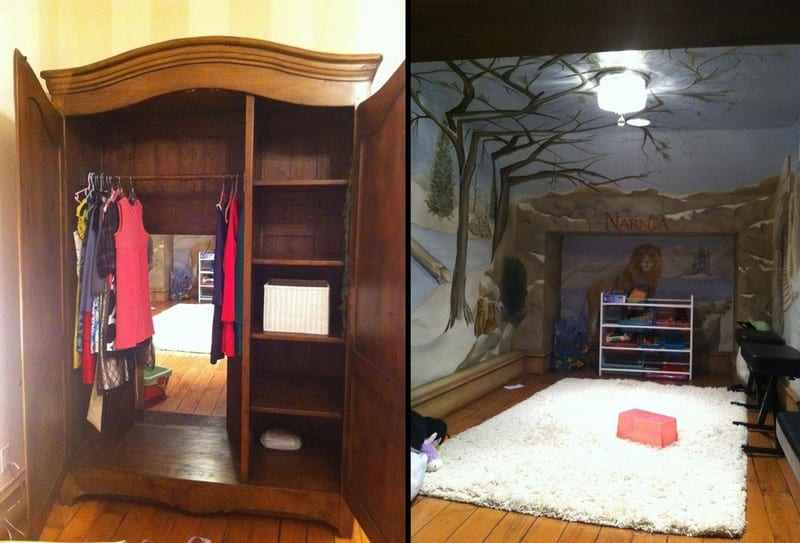
A secret room behind a closet uses a regular wardrobe or closet door to hide a second space. From the hallway or bedroom, it looks like a normal closet. Inside, the back wall opens or swings away to reveal a hidden room.
Best uses
- Small safe room or panic room
- Private reading nook or meditation space
- Secure storage for valuables or important papers
Pros
- Very discreet if done well
- Easy to reach in an emergency
- Can be built into existing closets with enough depth
Cons
- Needs enough space behind or beside the closet
- Often requires a contractor to handle framing and doors
Hidden Wall Passage
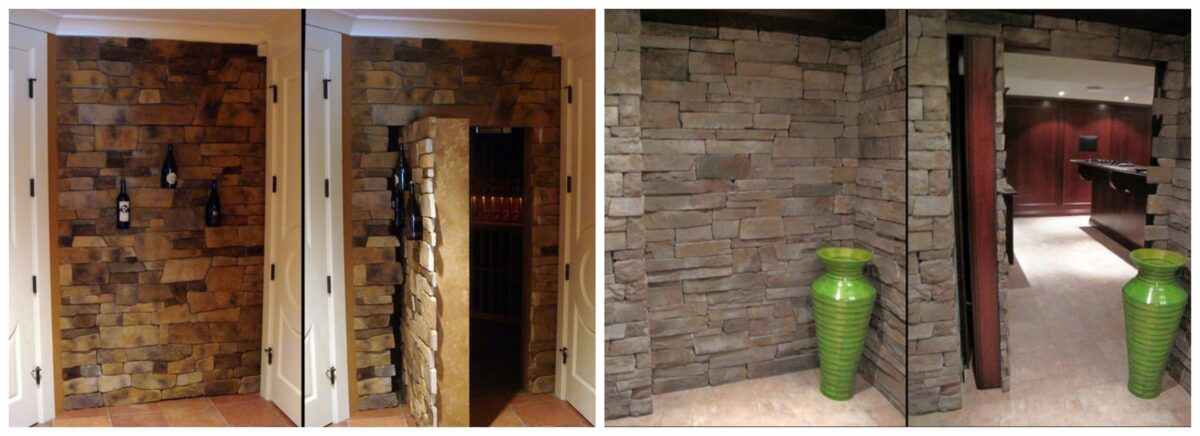
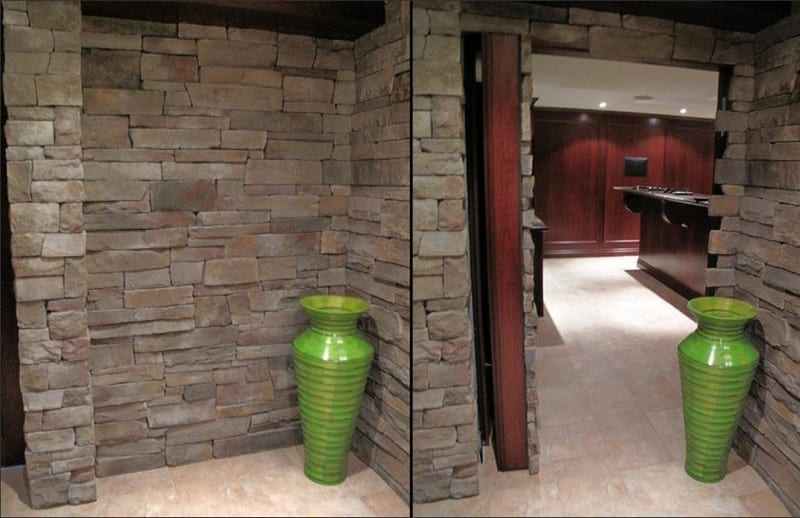
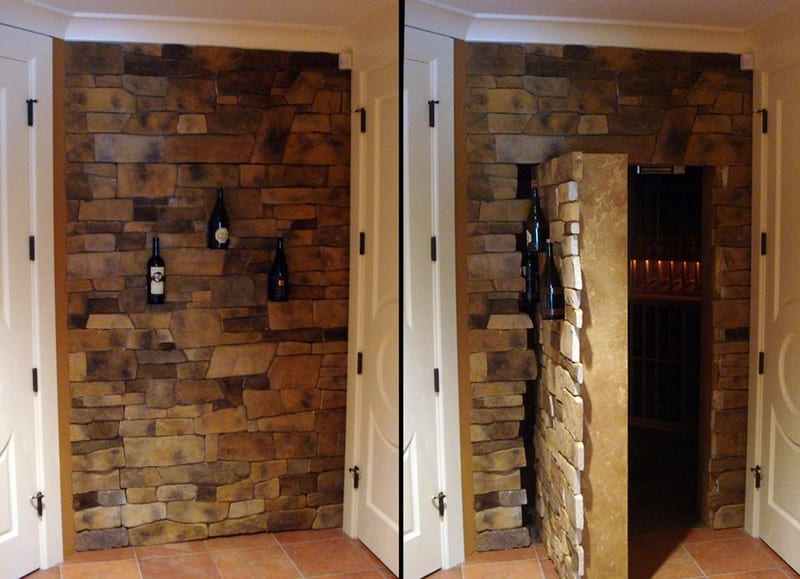
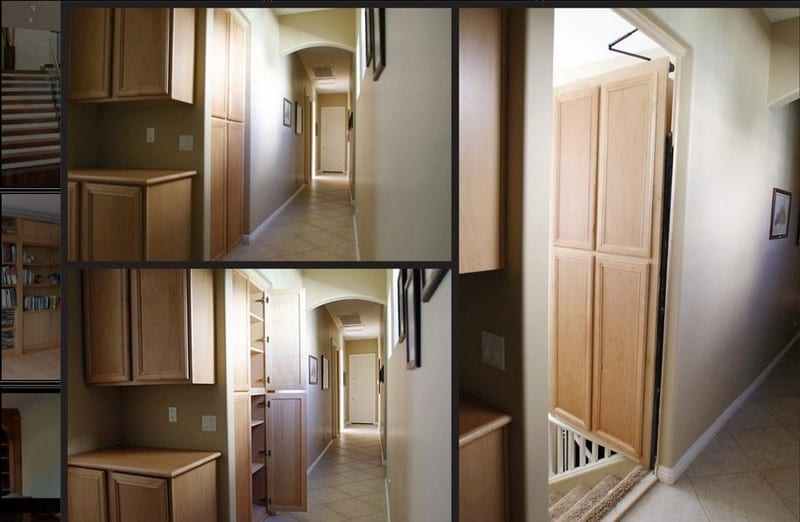
A hidden wall passage is a door that looks like part of the wall. It might be disguised with wall panels, trim, or artwork. Sometimes decorative knobs or handles complete the look. When you pull the right knob or push the right spot, the wall swings open to reveal the secret room.
Best uses
- A hidden hallway that connects two rooms
- Entry to a home theater, gaming room, or bar
- Discreet access to a storage room or office
Pros
- Very clean, modern look
- Can be nearly invisible when closed
- Works well in hallways and larger living rooms
Cons
- Needs very careful design to match wall finishes
- Hinges and hardware must handle the weight of the wall panel
Secret Bookshelf Door
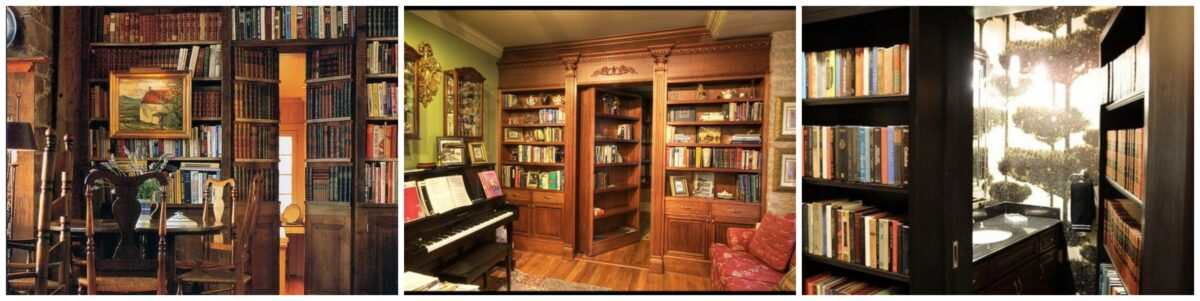
A secret bookshelf door looks like a normal built-in bookcase. The entire shelf is mounted on a hidden frame so it can swing or slide open. The entrance behind it leads into a hidden room or passage.
Best uses
- Library entrance or reading room
- Cozy office or writing space
- Hideout for kids
- Storage for valuables behind a classic look
Pros
- A favorite in movies and books
- Provides both storage and a hidden door
- Easy to blend into living rooms, studies, or hallways
Cons
- A bookshelf can be heavy and needs strong hinges
- It must be carefully built so it opens smoothly
- Needs enough floor space for the door to swing or slide
Pull Up Trapdoor Entrance
A pull up trapdoor entrance is built into the floor. When closed, it looks like part of the flooring. When you lift it, it reveals a staircase or ladder leading to a hidden space below.
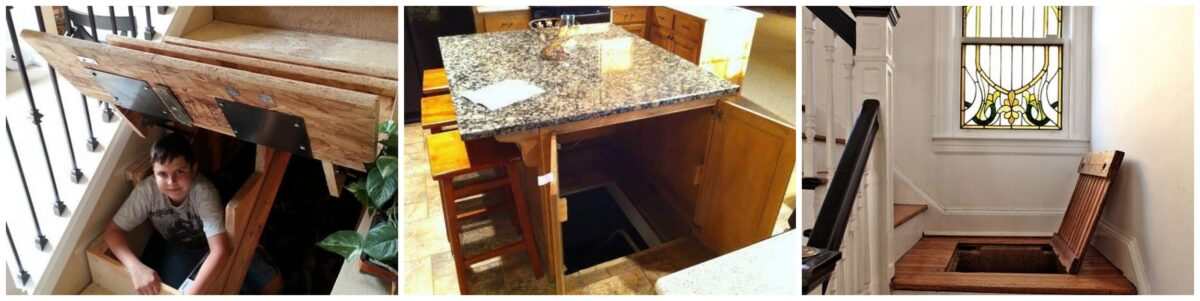
Best uses
- Access to a storage room, wine cellar, or workshop
- Entrance to a safe room or storm shelter
- Hidden playroom or hangout beneath a raised floor or loft
Pros
- Great use of the unused space below the floor
- Very discreet if the trapdoor matches the flooring
- Works well in basements, pantries, and large closets
Cons
- Requires careful structural planning and support
- Must be lit and ventilated properly below
- Needs safety rails or covers to prevent falls when open
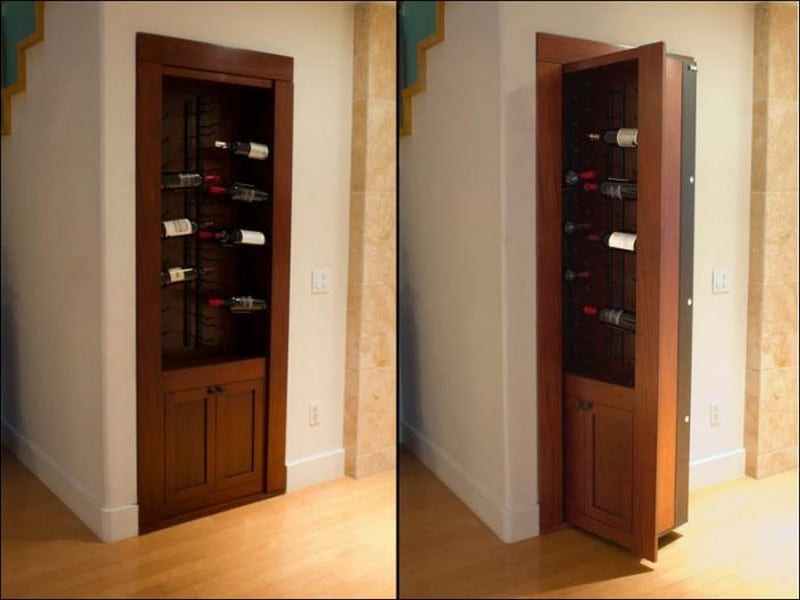
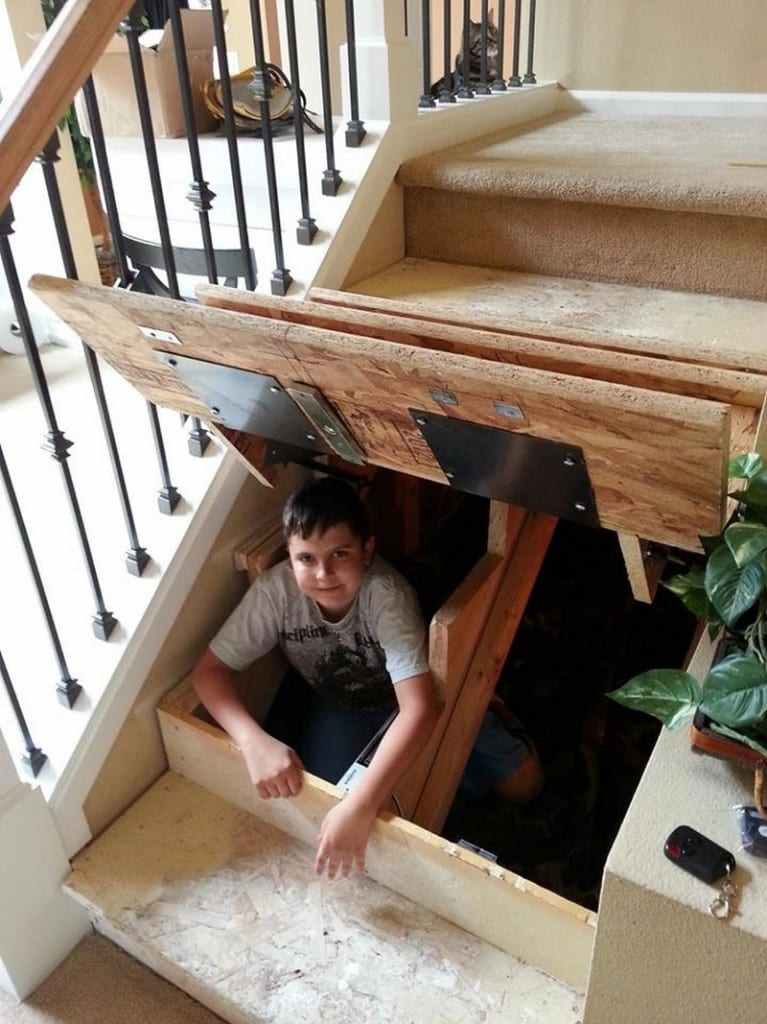
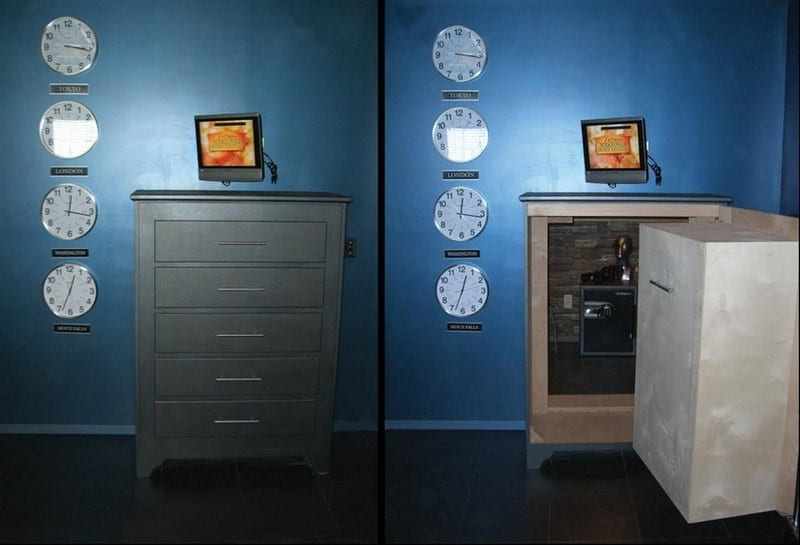
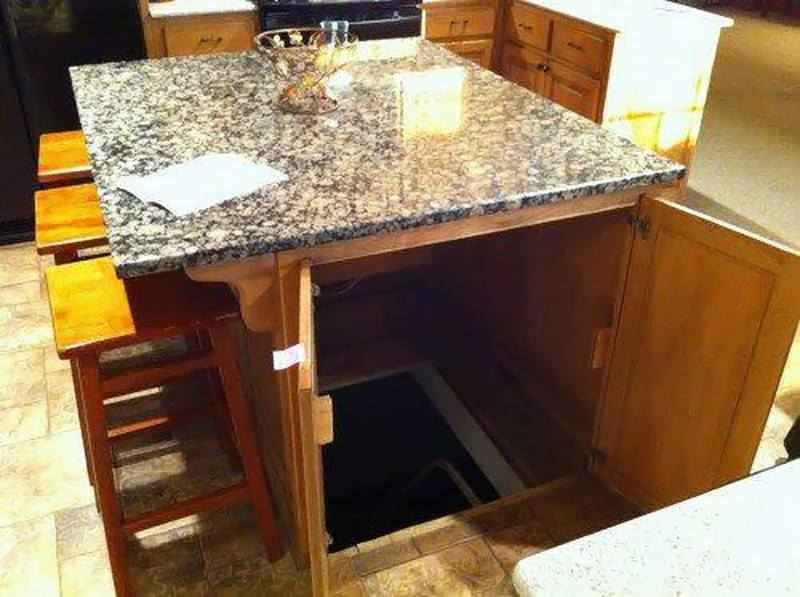
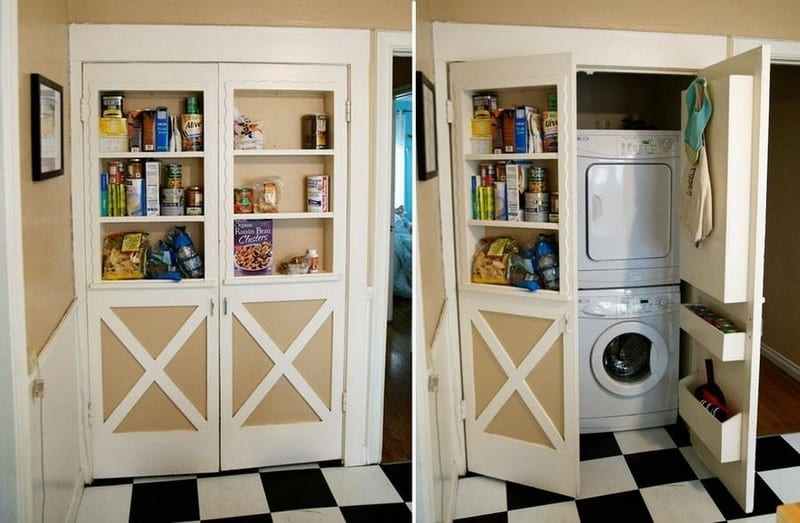
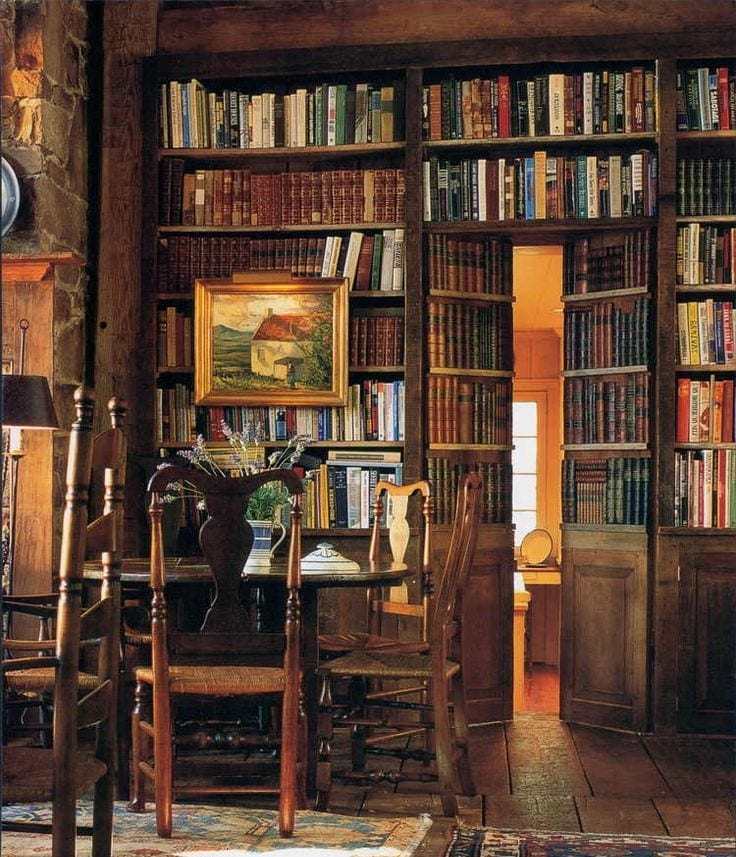
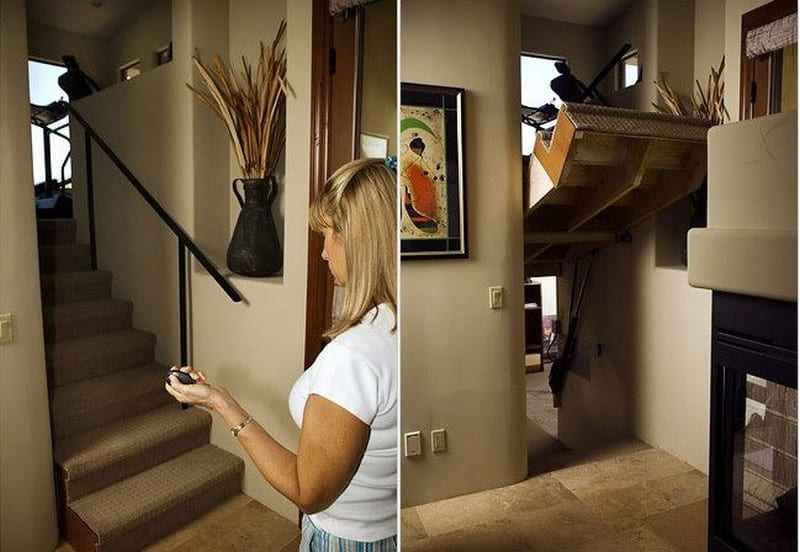
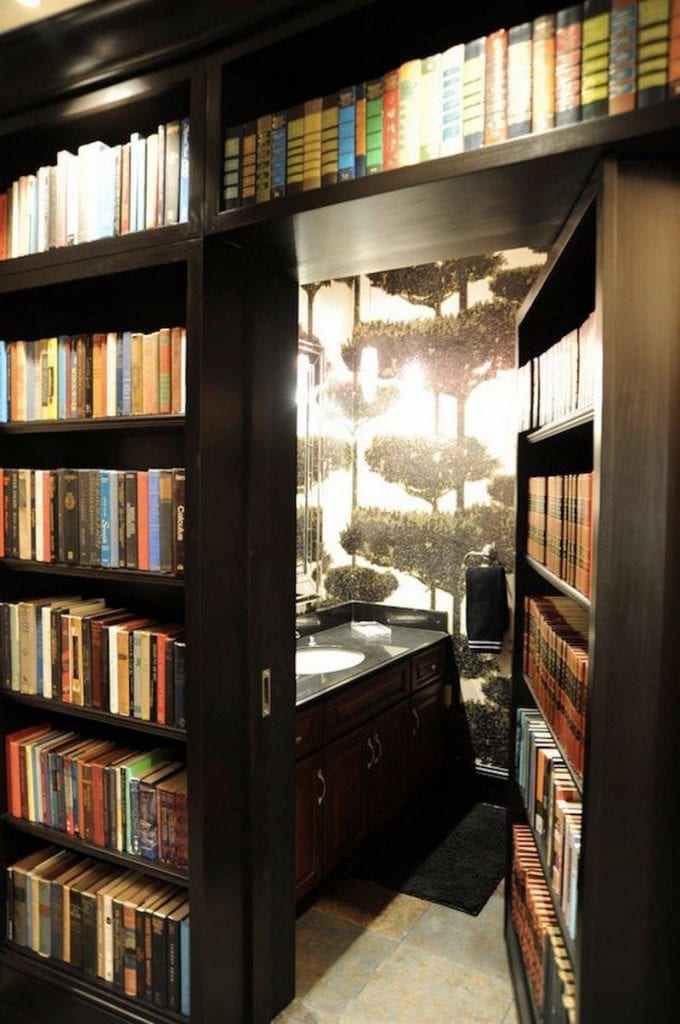
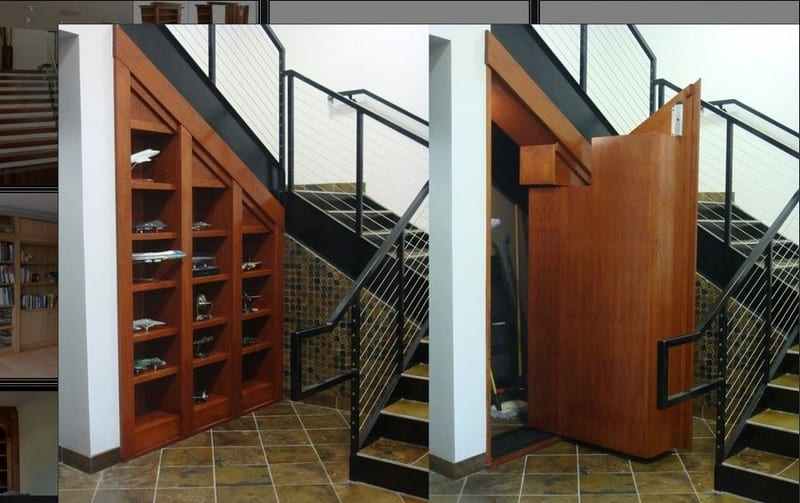
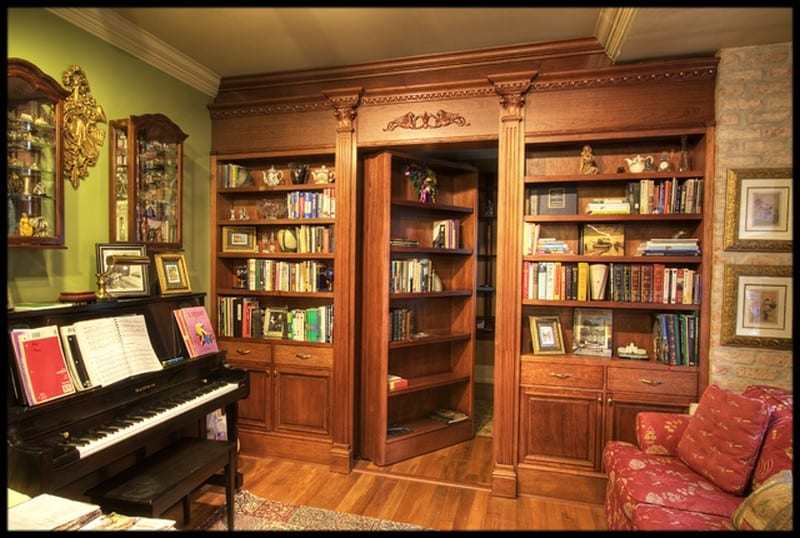
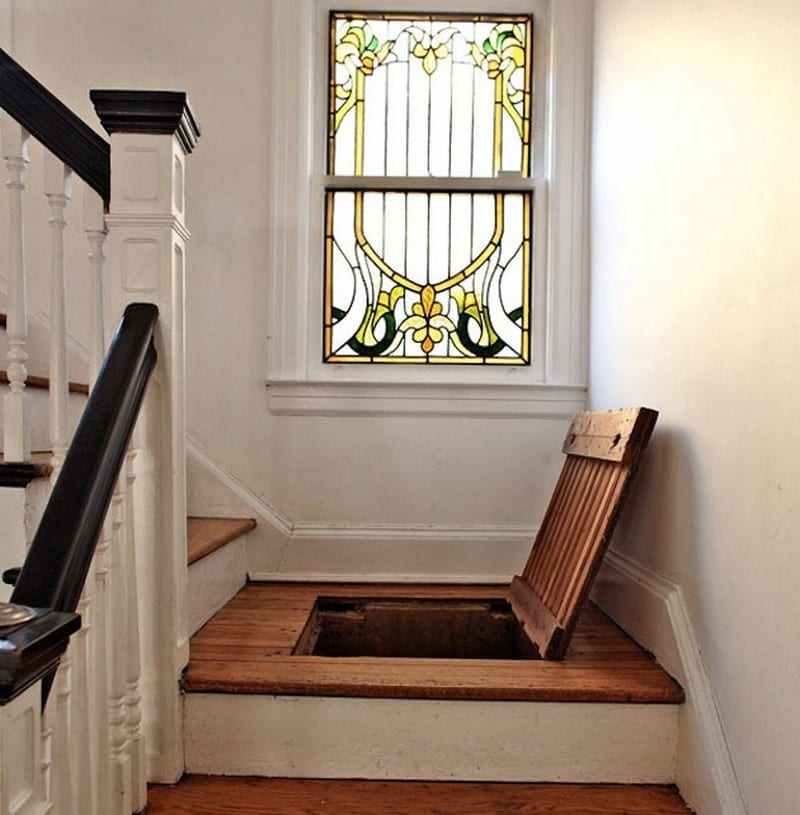
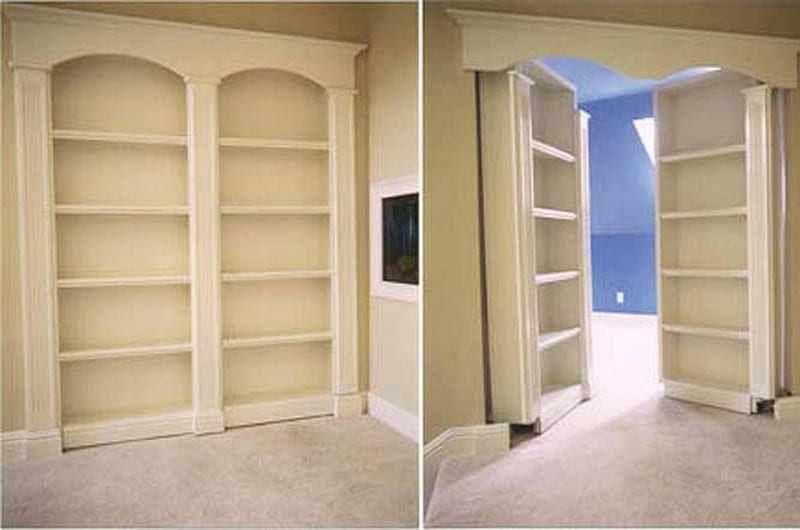
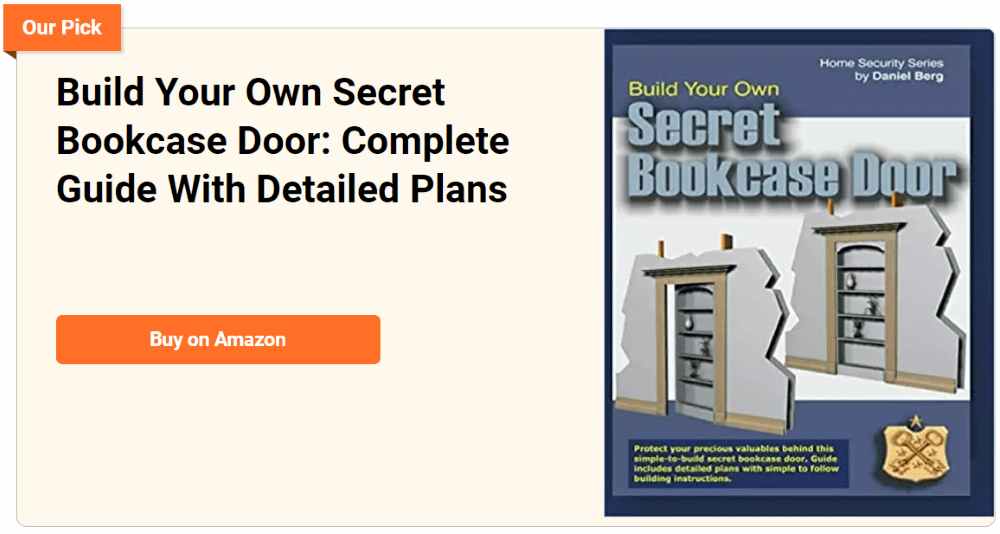
Do you want your own hidden room? Well, there are top featured products such as doors, bookshelves, and hinging kits you can use when you’re building one that is available from Amazon CLICK HERE…
How to Plan a Secret Room in Your Home
Before you start cutting into walls or floors, it is essential to plan your secret room in a step-by-step manner.
- Decide what the room is for
Choose the main purpose. Is it a safe room, a storage space, a kids’ room, a hobby room, or a quiet office? The purpose will guide the size, location, and design. - Choose the location
Look for unused or hidden spaces such as:- Behind or beside a large closet
- Under a staircase
- In the attic
- In the basement or crawlspace
- Behind a built-in bookshelf or wall panel
- Check structure and building codes
Before you open walls or floors, have a licensed contractor or structural engineer check the area. They will make sure you are not cutting into load-bearing walls, support beams, or important pipes and wires. - Pick the hidden entrance style
Decide how you want the room to be hidden. Common options include:- Bookshelf door
- Wall panel door
- Closeted back wall entrance
- Mirror door
- Floor trapdoor or pull-up door
- Plan safety and escape routes
Every secret room should be safe to enter and safe to leave. Think about:- At least one way to exit in case of fire or other emergency
- Ventilation so air can move in and out
- Lighting and clear paths inside the room
- Add security features if needed
If you want the room to act as a safe room or secure storage, think about:- Strong locks or smart locks on the hidden door
- Solid core or reinforced doors and frames
- Cameras or alarm sensors connected to your security system
- Finish the room like any other living space
Once the structure is safe, finish the secret room with:- Lighting and electrical outlets
- Comfortable flooring and furniture
- Soundproofing if you want privacy or quiet
- Storage, shelves, or desks that fit the room’s purpose
Technological Advances in Secret Room Construction
Modern technology has changed how secret rooms are built and used. Older secret rooms were simple hiding places. Today, they can be secure, comfortable, and connected.
Innovative Materials
Builders now use advanced materials to make hidden rooms stronger and more private.
Common choices include:
- Reinforced steel for walls and doors to add strength and security
- Soundproofing panels and insulation to keep conversations and noise inside the room
- Smart glass that can change from clear to frosted with a switch so you can control privacy instantly
These materials help secret rooms stay hidden, quiet, and safe while still fitting into a modern home.
High Tech Security Features
Many homeowners add high tech security systems to their secret rooms. These tools help control who can enter and what you can see from inside.
Popular options include:
- Keypads and smart locks that can be controlled by code or phone
- Biometric locks that use fingerprints or facial recognition
- Security cameras that monitor the area around the entrance
- Alarm systems that send alerts to your phone or a security company
These features can turn a simple hidden room into a true safe room.
Climate Control and Sustainability
If you plan to spend time in your secret room or store delicate items there, climate control is important.
Helpful systems include:
- Modern heating, ventilation, and air conditioning systems keep the room at a comfortable temperature
- Dehumidifiers in basements to prevent mold and damage to stored items
- LED lighting that uses less energy and produces less heat
- Solar power or backup power systems, if you want the room to stay usable during power outages
These technologies keep the room comfortable and functional and can also make it more energy efficient.
Legal and Safety Considerations
Secret rooms can provide privacy and security, but they must still follow the law and basic safety rules. Before you build or finish a hidden room, think carefully about these points.
Understanding Local Building Codes
Building codes are rules that control how homes are built. They exist to protect the safety of people who live in or visit a house.
Codes often cover:
- Structural strength
- Electrical wiring
- Plumbing
- Ventilation and air flow
- Fire safety and exit routes
Secret rooms must follow these rules just like any other room. If you ignore them, you might face fines, be forced to remove the room, or risk serious danger in an emergency.
To stay safe, speak with a licensed contractor or building inspector. Ask what local codes apply to hidden rooms, safe rooms, or structural changes.
Zoning Laws and Permits
Zoning laws control how land and buildings can be used in different areas. In some places, zoning rules may:
- Limit the kind of spaces allowed in a home
- Set special requirements for basements, attics, or safe rooms
- Require permits for major changes or additions
Before you start building, check with your local building department. You may need to apply for permits and have inspections done during and after construction. Permits help make sure the work is done safely and correctly.
Safety Measures Inside the Room
Safety should always come first in a secret room, especially if people will spend time there.
Important safety steps include:
- Good ventilation so fresh air can enter, and stale air can leave
- Smoke detectors connected to the rest of the house
- A fire extinguisher should be stored where it is easy to reach
- A flashlight or emergency light in case of power failure
- Clear space for movement and easy access to the entrance
If the secret room is meant for long stays or as a storm shelter, you may also want:
- A way to communicate with the outside world, such as a charged phone or radio
- Basic supplies such as water, food, and first aid
Structural Integrity
Your secret room should never weaken the structure of your home. Improper work can cause cracks, sagging floors, or even collapse.
To protect your home:
- Do not remove load-bearing walls or beams without professional help
- Make sure new openings in walls or floors are framed correctly
- Use proper materials and fasteners for doors, stairs, and trapdoors
A structural engineer or experienced contractor can tell you what is safe and what is not.
Fire Safety
Fire safety is especially important in spaces that are hidden or enclosed.
Good fire safety practices include:
- Fire-resistant materials for walls, doors, and ceilings, whenever possible
- A hidden door that can still be opened quickly from the inside
- At least one exit route that does not get easily blocked
- Smoke alarms that can be heard from inside the room
Emergency workers should also be able to reach you if needed. While you may not advertise the room to everyone, make sure trusted family members or a close friend know where it is and how to open it.
Privacy and Legal Disclosure
Secret rooms are meant to be private. However, in some places, you may have legal duties to disclose them.
For example:
- When you sell your house, you may have to list all finished rooms and square footage
- In some regions, you must report safe rooms or special structures to certain authorities or to your insurance company
If you hide a room from future buyers or from required reports, you could face legal problems later. Ask a local real estate agent, lawyer, or building official what you must disclose in your area.
Insurance Implications
A secret room can affect your home insurance. It may increase the value of your house or change the level of risk.
To avoid problems:
- Inform your insurance company about major changes, including hidden rooms and safe rooms
- Ask whether your policy covers items stored in the secret room
- Check if you need extra coverage for security systems, reinforced doors, or high-value items
Being open with your insurer helps protect you if you ever need to make a claim.
Conclusion
Exploring different secret room ideas can add both intrigue and practical value to your home. A bookshelf that swings open to reveal a cozy reading space, a closet that hides a safe room, or a floor that lifts to expose a storage cellar can all blend mystery with everyday usefulness.
By planning your secret room carefully, following building codes, and paying attention to safety and security, you can enjoy the charm of a hidden space without taking unnecessary risks. Whether you want a fun hideout for the kids, a quiet office, or a secure place for valuables, a well-designed secret room can become one of the most special parts of your home.
Frequently Asked Questions About Secret Rooms
- Are secret rooms legal?
- In most places, secret rooms are legal if they follow building codes and safety rules. You may need permits for structural changes, electrical work, or exits. Always check local laws before you build.
- How much does it cost to build a secret room?
- Costs vary. A simple hidden bookshelf door might cost a few hundred to a few thousand dollars. A fully reinforced safe room with advanced security and climate control can cost tens of thousands of dollars.
- Can I add a secret room to an existing house?
- Yes, many secret rooms are added to existing homes. Popular locations include closets, basements, attics, crawlspaces, and under stairs. A contractor can tell you what is possible in your specific house.
- Are secret rooms safe during a fire or other emergency?
- They can be safe if they are planned correctly. Make sure your secret room has ventilation, smoke alarms, and at least one clear exit route. You should also keep some basic emergency supplies inside.
- What is the best entrance for a secret room?
- The best entrance depends on your home and your goals. Bookshelf doors and closet entrances are good for living spaces. Trapdoors work well for basements or storage areas. Hidden wall panels fit modern designs. Choose an option that matches your home’s style and your budget.
- Should I tell anyone about my secret room?
- You do not need to tell everyone, but it is smart to share the location and access method with at least one trusted person. In an emergency, this can help rescue workers or family members reach you if needed.