Last Updated on November 18, 2025 by teamobn
What are Natural swimming ponds?
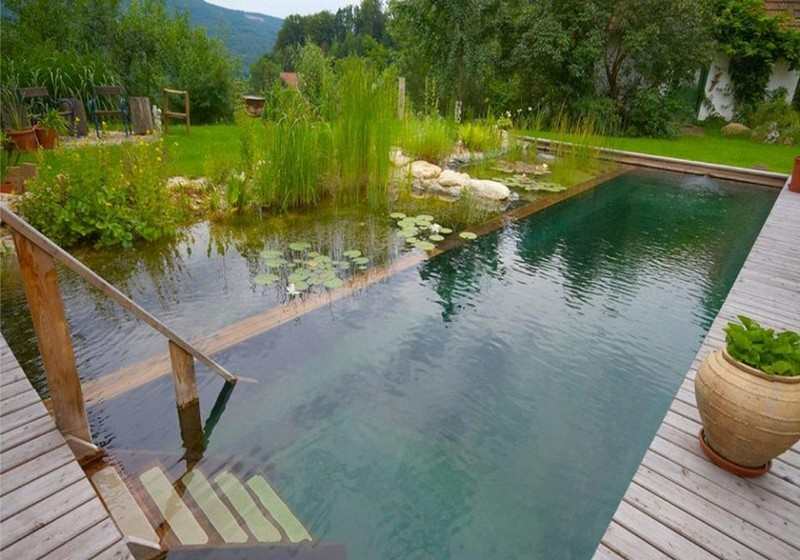
A natural swimming pond (also called a natural swimming pool) is a man‑made pool that keeps water clean using plants and biological filtration instead of chlorine or other chemicals.
Most natural swimming ponds have two main zones:
- a deeper swimming zone for people
- a shallow regeneration zone filled with aquatic plants, gravel, and beneficial bacteria that naturally filter the water
Water circulates gently between these zones, where plants and microbes remove nutrients and impurities. The result is clear, chemical‑free water that looks and feels like a natural pond or lake in your own backyard.
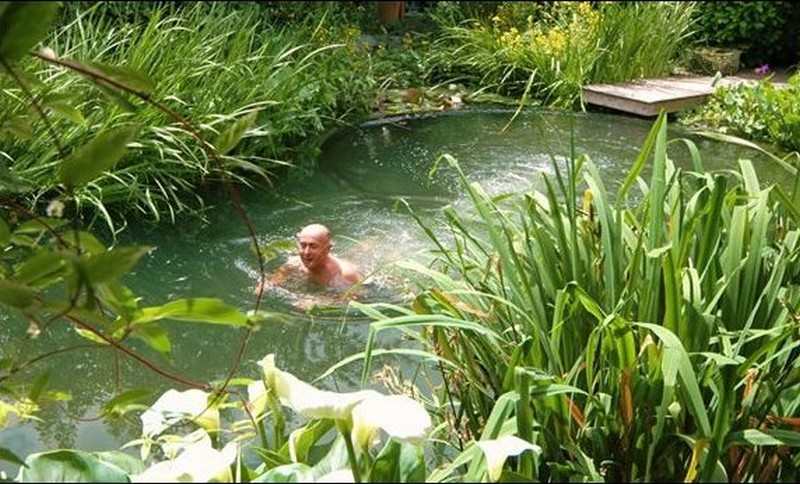
Natural swimming ponds can be used for swimming, wading, relaxing, or simply as a beautiful water feature that supports birds, frogs, dragonflies, and other wildlife.
What are the Advantages of Natural Swimming Ponds?
Natural swimming ponds offer several advantages over conventional chlorinated pools:
- Chemical‑free swimming – No chlorine or harsh chemicals, which is kinder to skin, hair, eyes, and swimsuits.
- Lower long‑term maintenance – Once the ecosystem is established, plants and biological filters do much of the cleaning work.
- Wildlife habitat – The regeneration zone creates a safe home for birds, frogs, dragonflies, and beneficial insects.
- Natural beauty – A well‑designed natural pond blends into the landscape instead of looking like a big blue rectangle.
- Sustainability – No chemical runoff, less water replacement, and a design that works with nature rather than against it.
As one of our members, Emma O’Connor, shared:
“I would love one of these. As a swimming teacher by trade, I spend much time in chlorinated water… not fun for skin, hair, or eyes.”
For hundreds of millions of years, wetlands have purified water using plants, gravel, and microbes. A natural swimming pond copies this process on a smaller scale.
In fact, some public and municipal pools are now built as natural swimming pools because tests show their water quality can meet or exceed that of conventional, chemically treated pools.
How Do Natural Swimming Ponds Work?
A natural swimming pond keeps water clear and clean through a combination of design and biology:
- Separate zones
- The swimming zone is deep and clear, with no plants underfoot.
- The regeneration zone is shallow and packed with aquatic plants, gravel, and rocks.
- Water circulation
- A pump moves water gently from the swimming zone into the regeneration zone and back again. Continuous movement prevents stagnation and maintains oxygen levels.
- Biological filtration
- Water passes through layers of gravel and rock where beneficial bacteria live. These bacteria break down organic matter, such as leaves and tiny debris, and help keep the water clear.
- Aquatic plants
- Plants in the regeneration zone absorb nutrients that would otherwise feed algae. They also oxygenate the water and provide habitat for wildlife.
- Optional technology
- Many natural pools also use skimmers, bottom drains, or UV sterilizers to further polish water quality while still avoiding chemical treatment.
When all of these elements work together, you get crystal‑clear water that feels like swimming in a pristine mountain lake — without chlorine.
How Do Natural Swimming Ponds Feel Compared to Traditional Pools?
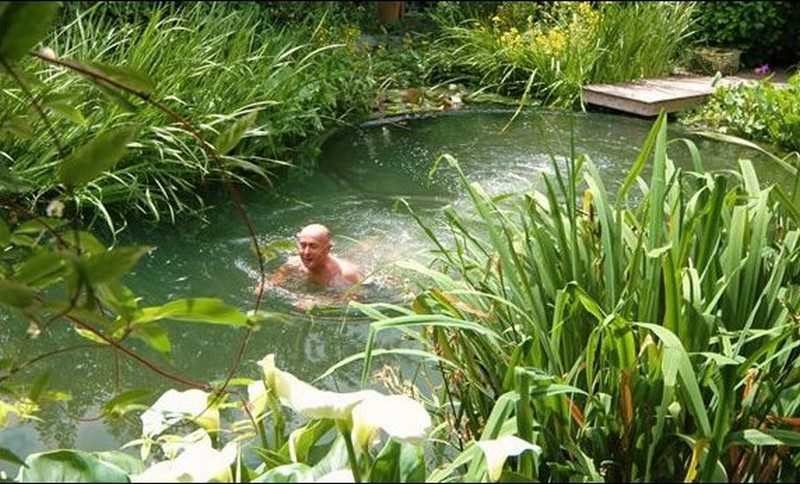
Swimming in a natural swimming pond feels different from using a conventional chlorinated pool. The water is usually softer on the skin, and there’s no strong chemical smell or eye sting.
Many swimmers describe it as more like bathing in a clear lake or mountain pond than in a typical backyard pool.
As Yavuz Yavuzer of FibroPool notes:
“They’re not quite as relaxing as pools, but they’ll do the trick in a pinch, and they feel extremely refreshing after a long hike.”
Although he’s referring to the simple pleasure of cooling off in natural water, the same idea applies to natural swimming ponds: the experience is more raw and refreshing, with a closer connection to nature than a standard pool.
What are the Types of Natural Swimming Ponds?
There isn’t one universal, official classification, but most backyard natural swimming ponds fall into three broad design styles. These describe how the pond looks and where the plants and filtration zones are located.
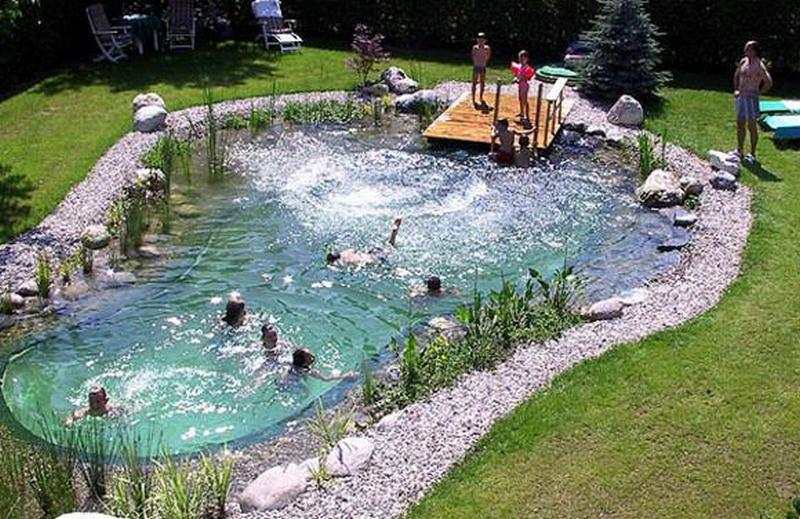
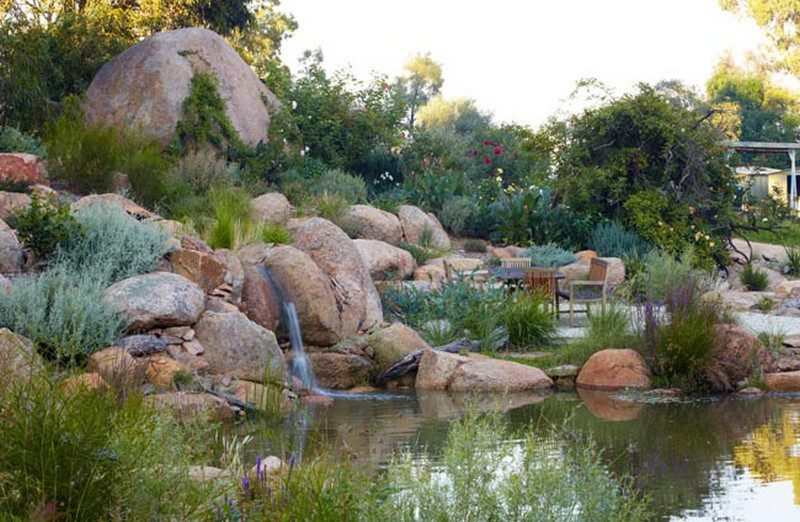
1. Pond‑Style Natural Swimming Pond
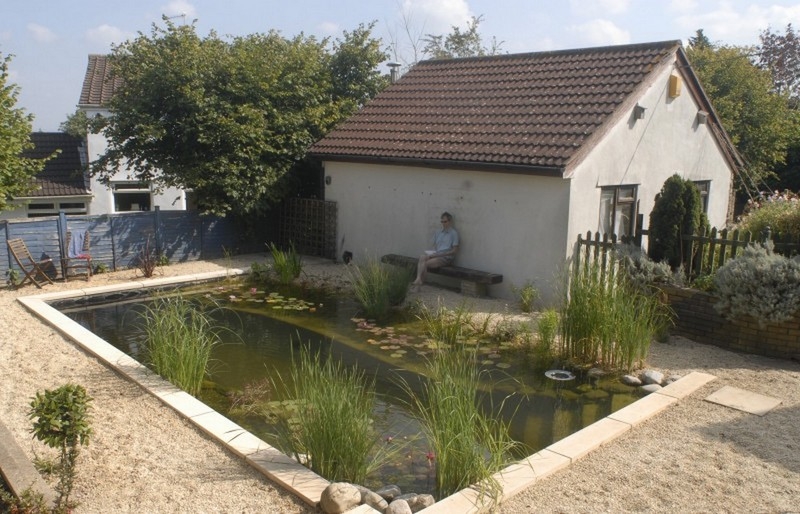
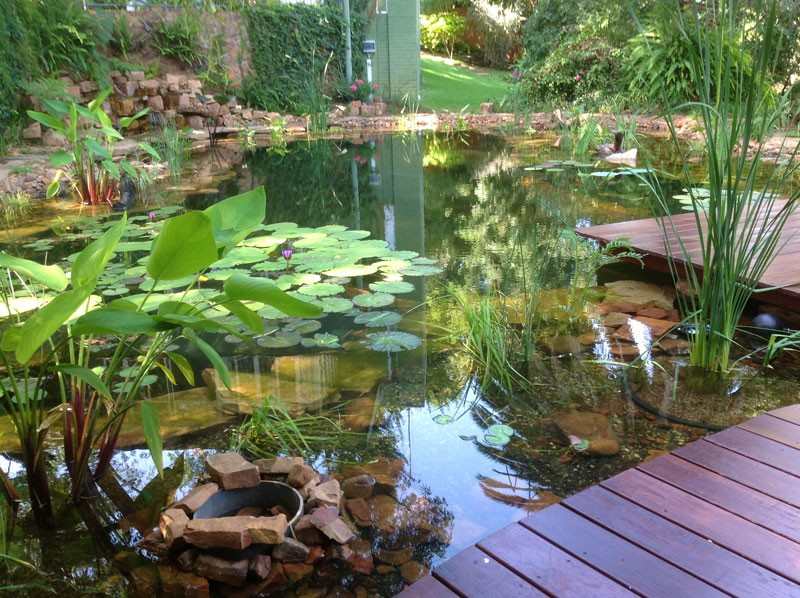
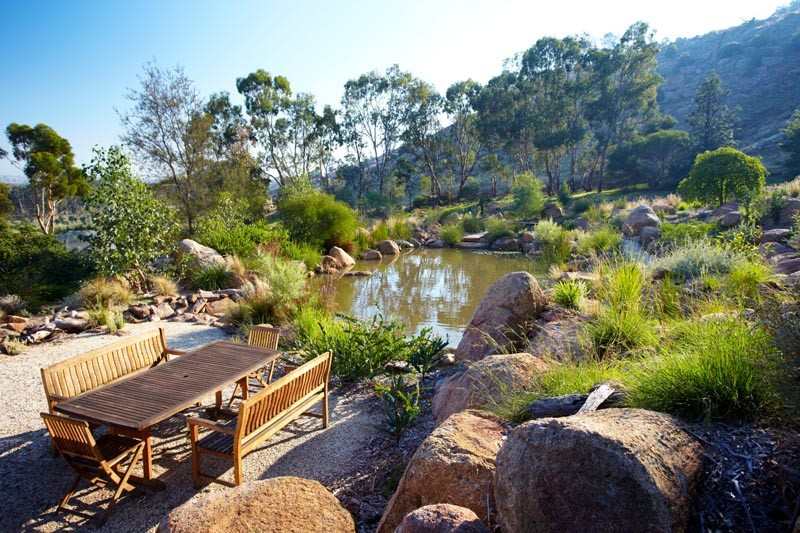
This style looks most like a natural pond in the wild:
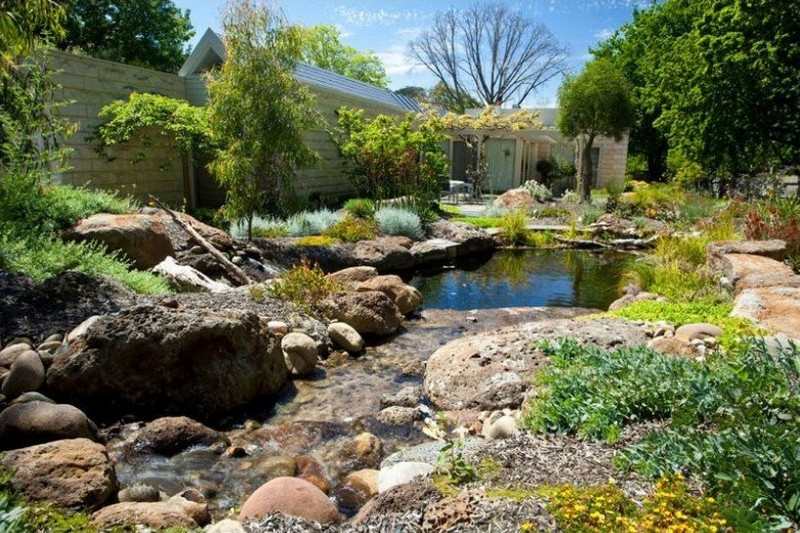
- Organic shape with gentle curves and irregular edges
- Visible plants both in and around the water
- Stone, gravel, and logs are used to edge and frame the pond
Best for:
- Larger gardens or rural properties
- Homeowners who want a wildlife‑friendly, informal look
- People who enjoy seeing plants and critters up close
Key features:
- Wide, shallow regeneration zones that double as water gardens
- Plenty of habitat for frogs, dragonflies, and birds
- A softer, more “wild” aesthetic rather than a minimalist pool
2. Modern / Formal Natural Pool
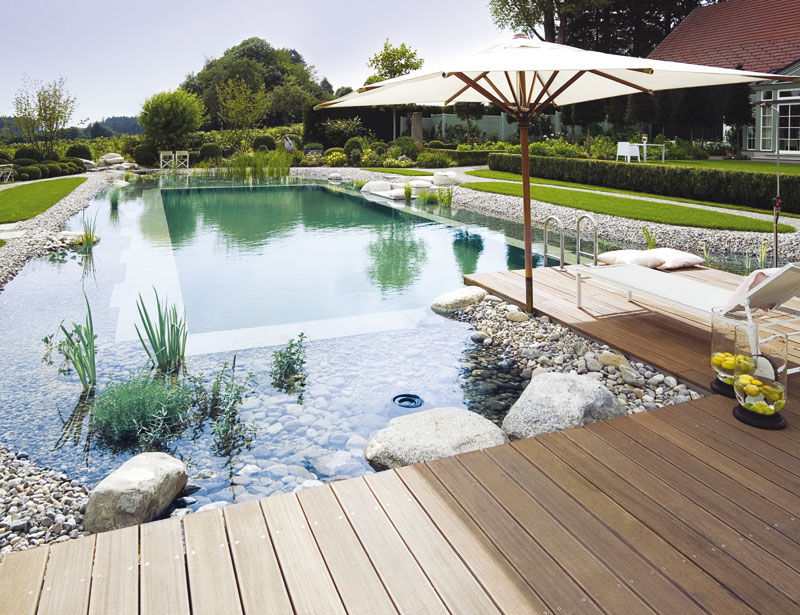
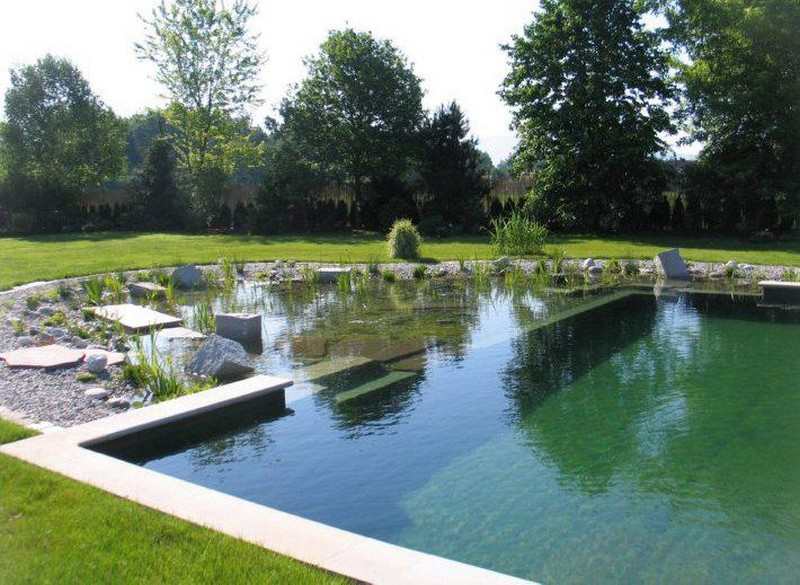
A modern natural pool is ideal if you like clean lines but still want chemical‑free water.
- Rectangular or geometric shape
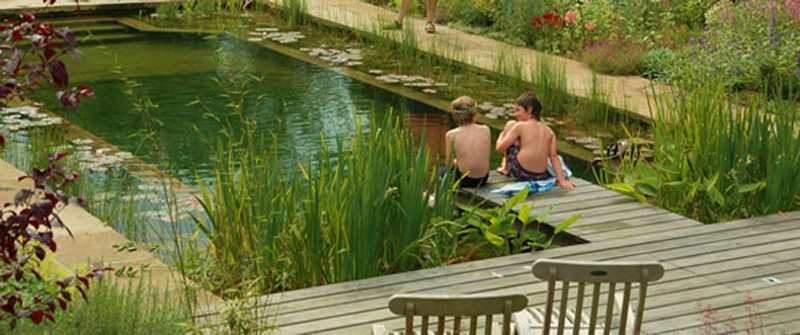
- Clear separation between the swimming area and the planted filtration area
- Plants may be tucked away in a side channel, behind a wall, or in a separate basin.
Best for:
- Contemporary homes and structured landscapes
- People who like the look of a traditional pool but want a natural filtration system
Key features:
- Straight edges, decks, and sometimes built‑in steps or beach entries
- Discreet or hidden regeneration zones
- Water that looks like a pool but behaves like a pond
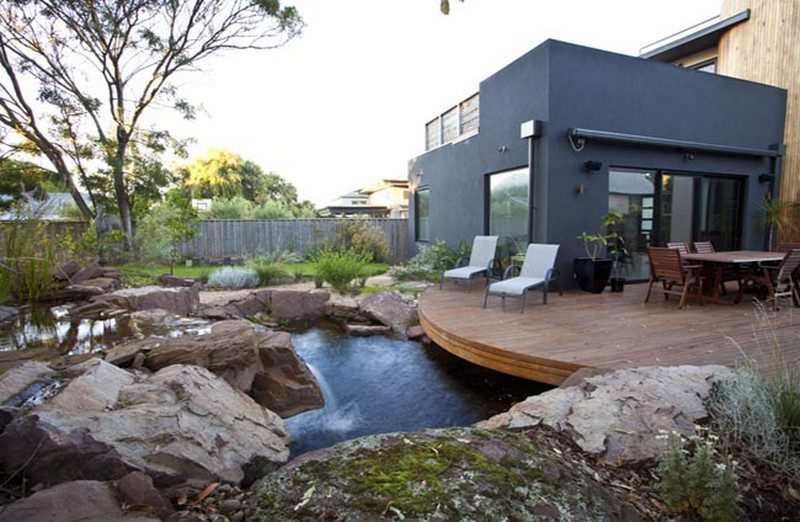
3. Compact Plunge‑Style Natural Swimming Pond
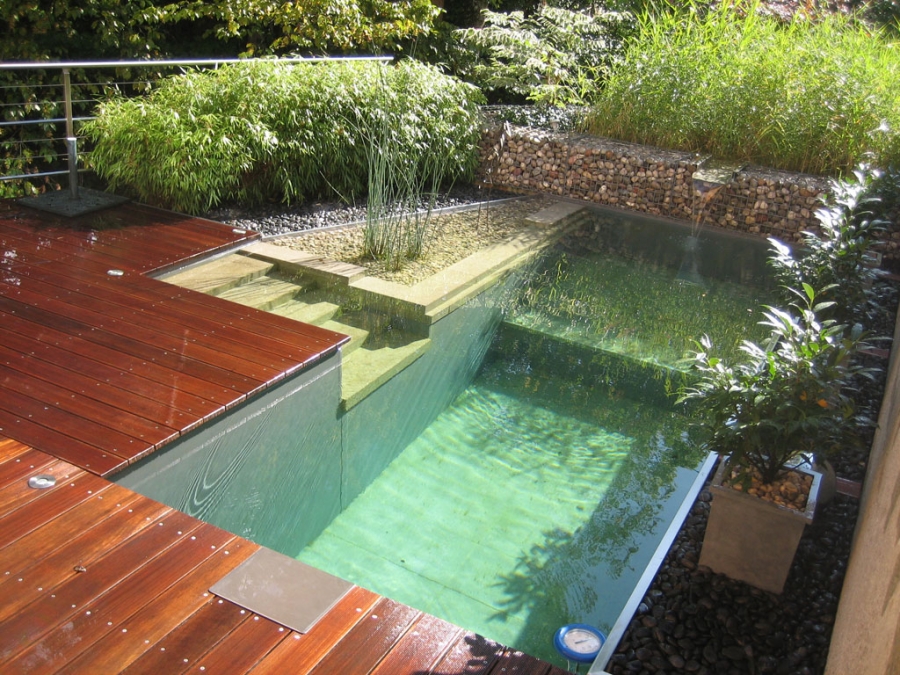
A plunge‑style natural swimming pond is smaller and designed for quick dips and cooling off.
- Small footprint – perfect for compact backyards
- Deeper central area for immersion
- Tight regeneration zone to maintain water quality in a small space
Best for:
- Urban or small suburban gardens
- Owners who want refreshing, chemical‑free water but don’t need full lap swimming
Key features:
- Often integrated into patio or deck spaces
- Can include bench seating, steps, and waterfalls for ambience
- May rely on a mix of plants and compact biological filters
Scenic Natural Swimming Pond Ideas
Natural swimming ponds offer a refreshing and environmentally friendly alternative to traditional swimming pools. Here are some scenic design ideas and features to help you create your own oasis of relaxation and beauty.
1. Design Concepts
Natural swimming pools mimic the appearance of ponds and lakes, blending seamlessly with the surrounding landscape. The goal is to create a water feature that looks like it belongs in your garden while providing a safe, enjoyable place to swim.
- Organic shapes
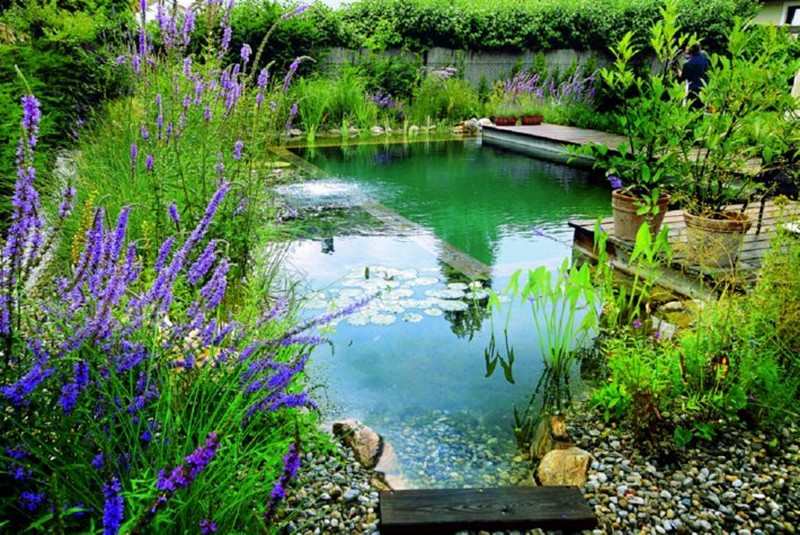
Many natural swimming ponds use irregular, flowing shapes that mimic real bodies of water. This enhances visual appeal and helps the pond sit naturally in the landscape. - Integrated planting
Aquatic plants play a crucial role in maintaining water quality and ecological balance. Planting around the edges softens the transition between water and land and creates a more inviting, naturalistic environment. - Shallow planting zones
Shallow regeneration zones allow aquatic plants to thrive. These areas provide habitat for wildlife and act as natural filters that help purify the water and maintain clarity. - Rock and gravel filtration
Water often circulates through beds of gravel and porous rock, where beneficial bacteria break down organic matter and remove impurities. This is a key part of the pond’s natural filtration system. - Water features
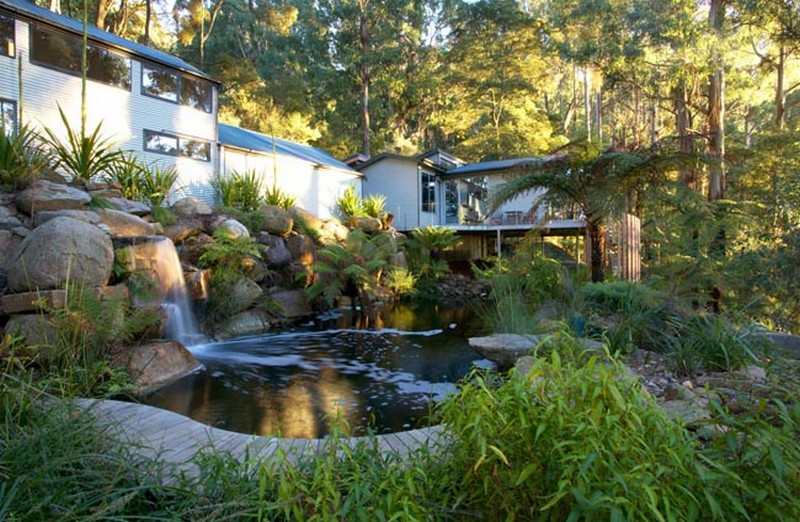
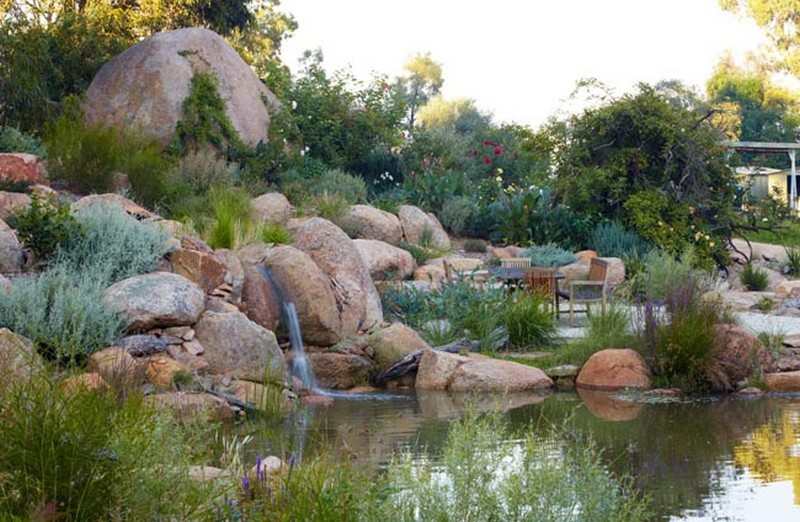
Waterfalls, cascades, and streams add visual interest and soothing sound. They also help oxygenate the water and provide a cooling effect during hot summer days.
2. Design Elements
When planning a natural swimming pond, consider how you’ll move in, out, and around the water every day.
- Pond shape and size
The shape and size should reflect the available space and how you plan to use the pond. A small plunge pool can fit in a compact yard, while a larger pond‑style pool suits wide open spaces. - Edge treatments
The pond’s edge defines both its look and how you use it. Natural stone, timber decking, and planted borders each create different moods—from rustic to contemporary. - Beach entry
A beach or zero‑entry design allows you to walk gradually into the water, just like at the seaside. It’s practical, child‑friendly, and aesthetically pleasing. - Swimming zones
Plan specific zones with different depths:- Deep areas for swimming and jumping
- Shallow shelves for sitting, paddling, and plants
- Planting scheme
Combine submerged, floating, and emergent plants to build a diverse, self‑sustaining ecosystem. Choose species suited to your climate and sun exposure.
3. Aesthetic Features
Well‑chosen features can turn a natural swimming pond into a stunning focal point.
- Water clarity
Natural pools are known for their clear, inviting water, achieved through balanced planting, biological filtration, and optional UV systems. Clear water builds confidence and makes the pond more enticing. - Aquatic plantings
Mix plants with different colours, textures, and heights for a rich, layered look. Native species often perform best and support local wildlife. - Rockwork and hardscaping
Boulders, rock shelves, and stone paths add structure and a sense of permanence. Decking, paving, and seating areas make it easy to relax beside the water.
4. Practical Considerations
- Safety features
Safety should always come first. Consider:- Fencing or covers where required
- Non‑slip surfaces for steps and decks
- Clear marking of deep and shallow areas
- Compliance with local pool regulations
- Maintenance requirements
Natural swimming ponds require less chemical treatment but still need regular care:- Skimming leaves and debris
- Pruning aquatic plants
- Checking and cleaning filtration and circulation systems
With consistent upkeep and good equipment, a natural pond remains clear and inviting throughout the year.
5. Environmental Benefits
Natural swimming ponds are built around ecological principles:
- Ecosystem support
They provide habitat for a wide range of aquatic plants and animals, enhancing biodiversity and supporting a healthier garden ecosystem. - Water conservation
Natural pools don’t need frequent draining and refilling. Water is recirculated and topped up as needed, conserving this precious resource.
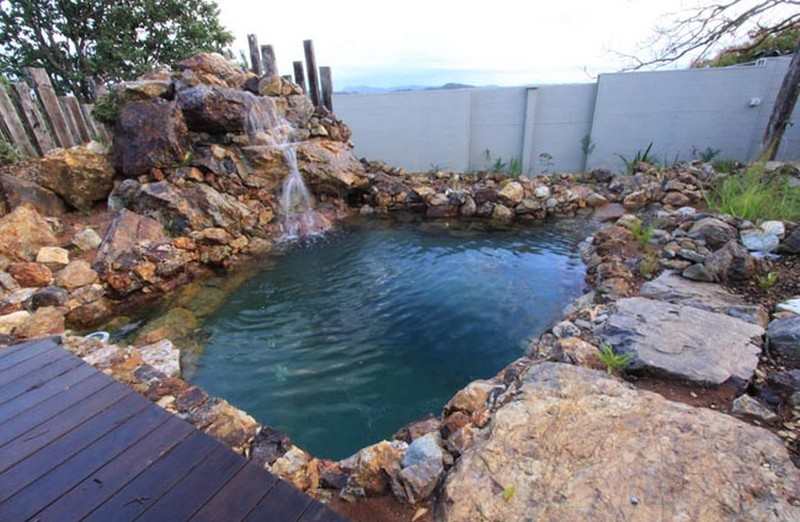
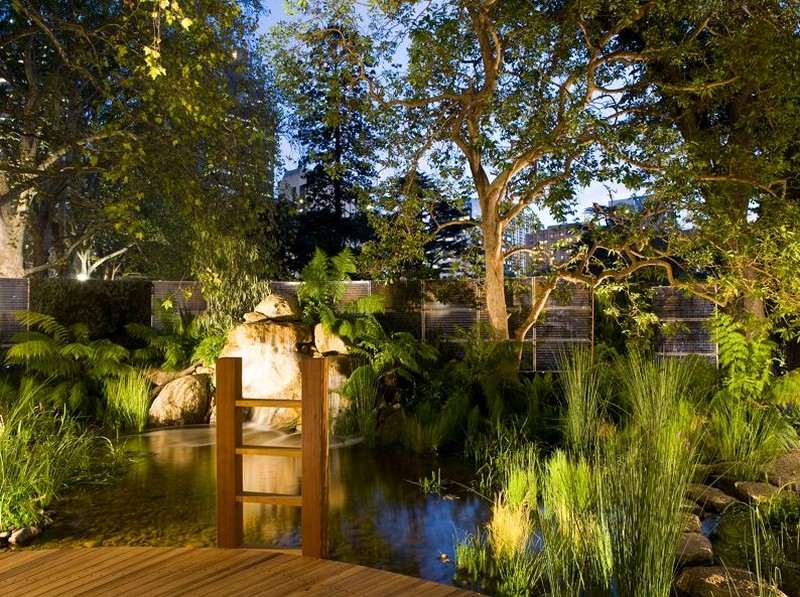
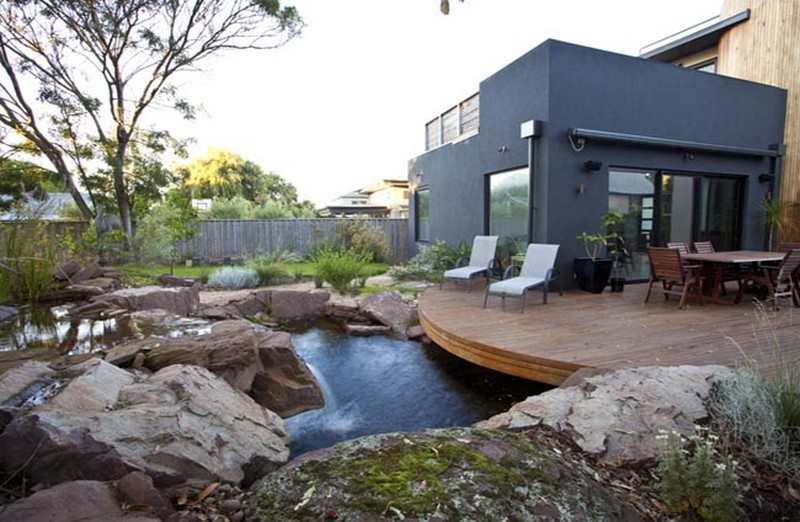
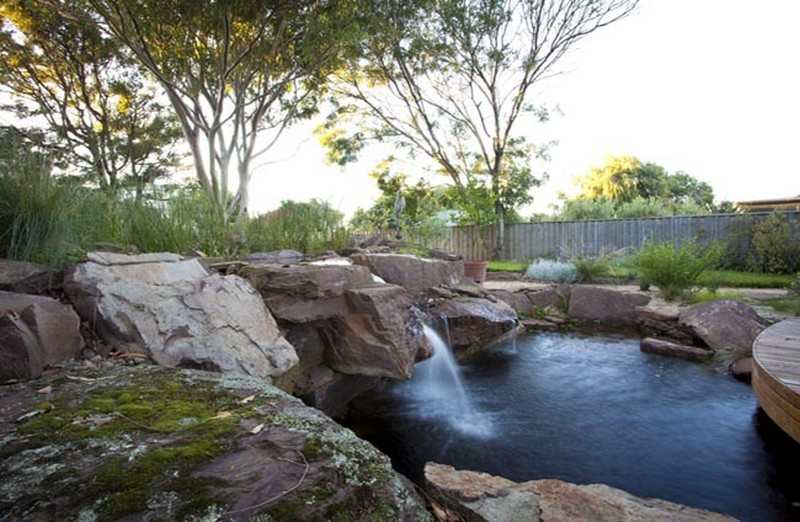
Click on any image to start the lightbox display. Use your Esc key to close the lightbox. You can also view the images as a slideshow if you prefer 😎
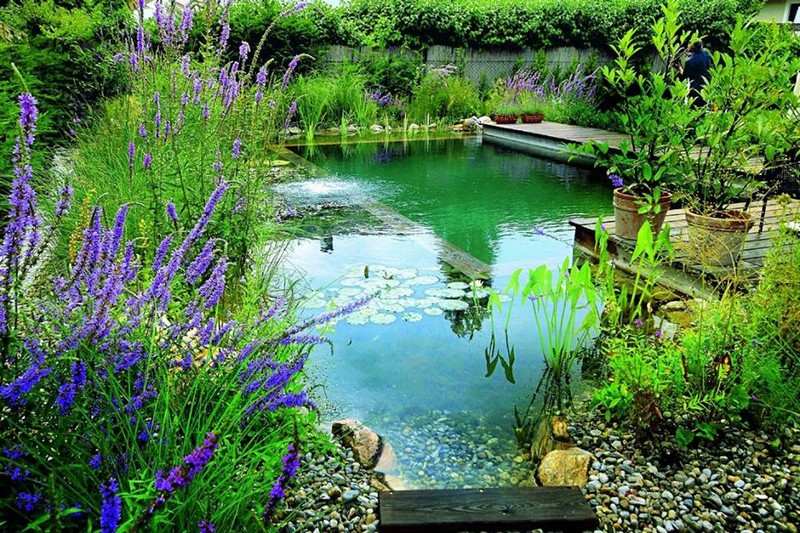
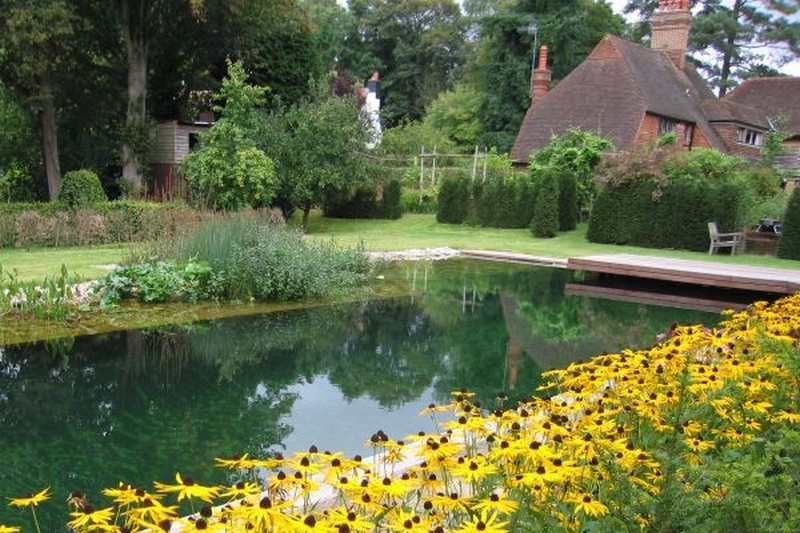
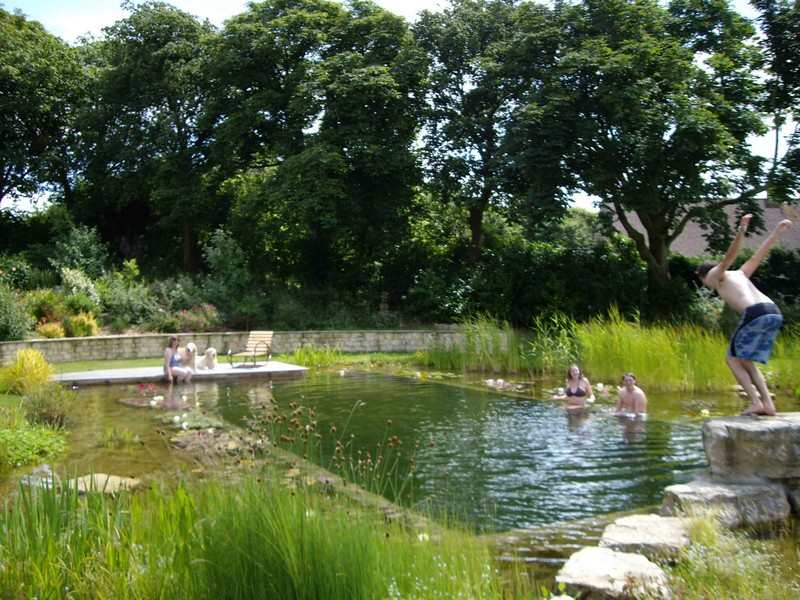
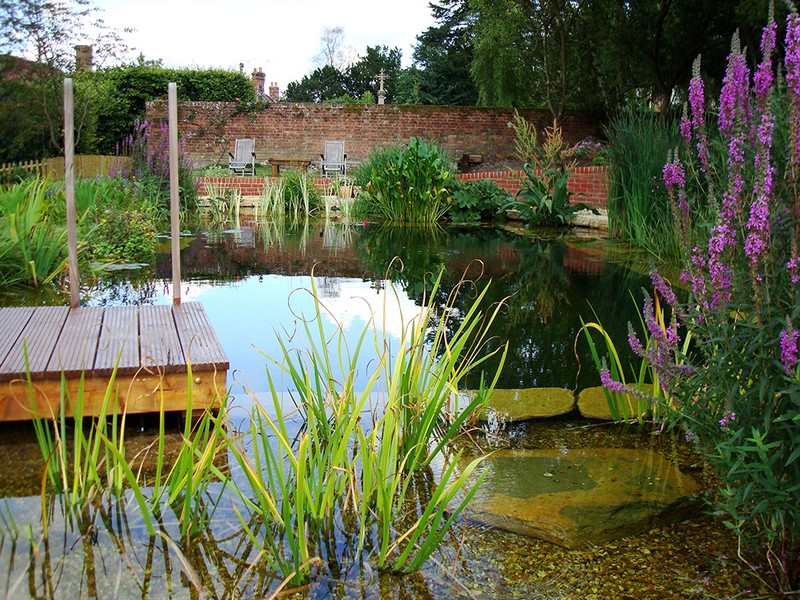
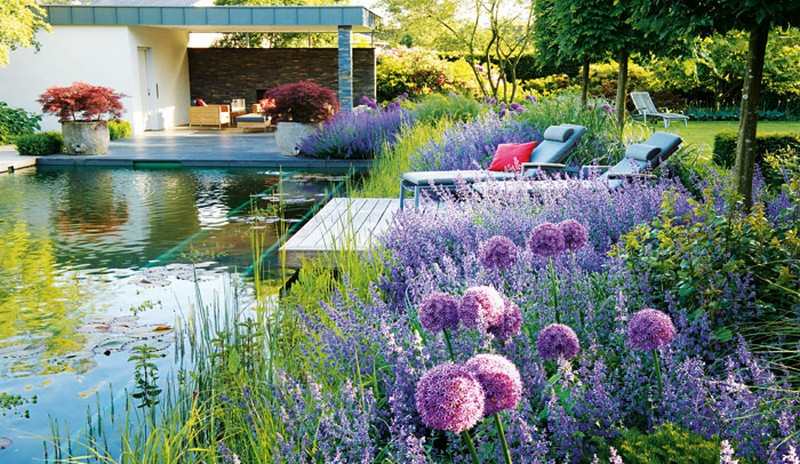
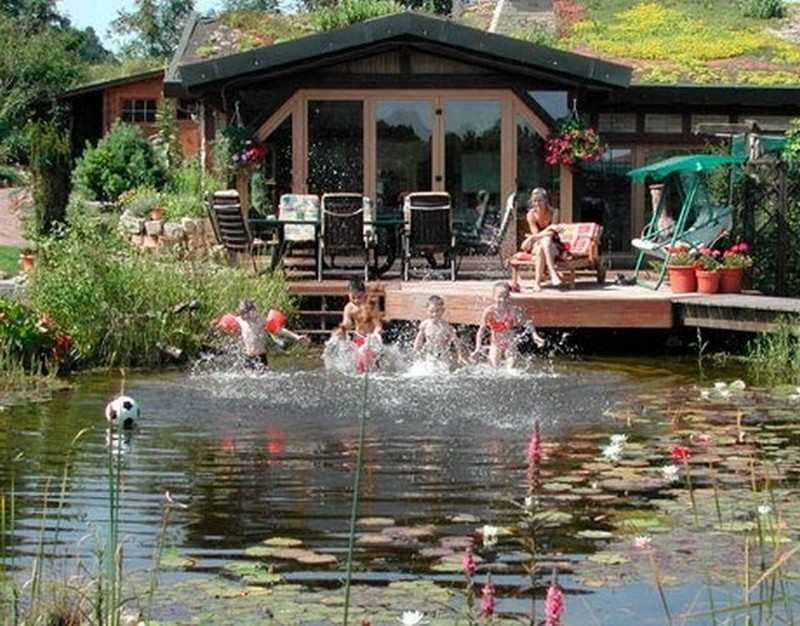
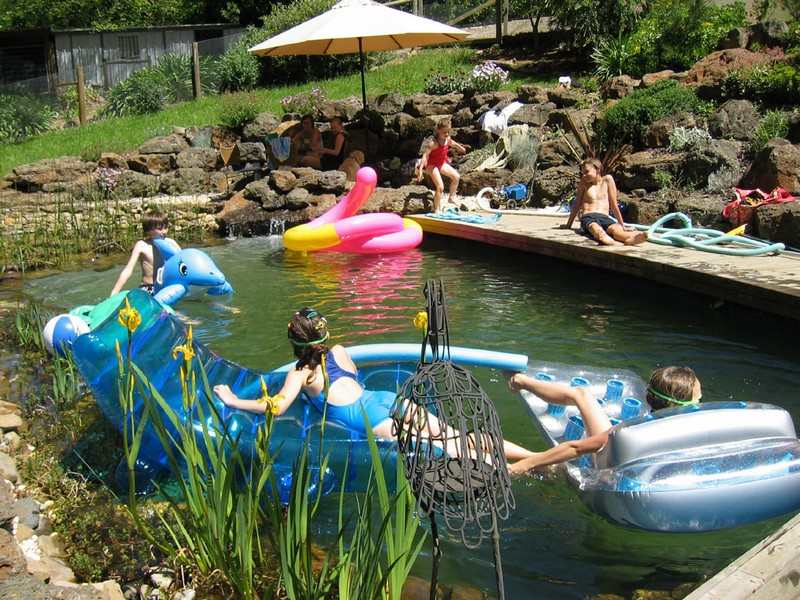
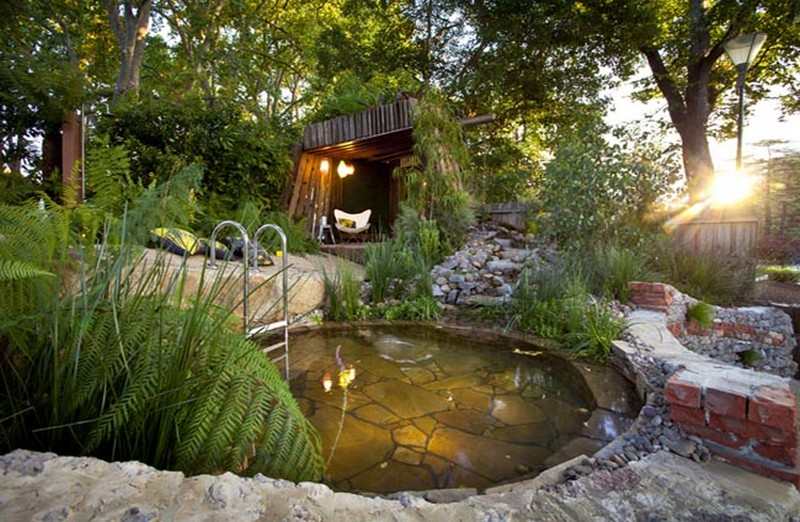
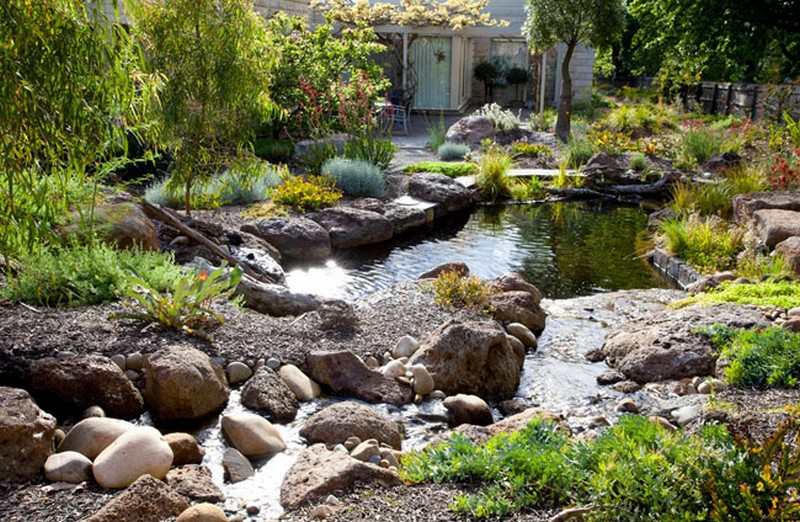
If you liked these, you will also like viewing these water feature ideas…
The Wrap Up
At the heart of natural swimming ponds is a simple idea: work with nature, not against it. By using plants, gravel, and beneficial bacteria instead of chlorine, these pools offer clear, chemical‑free water that’s gentle on your body and kind to the environment.
Whether you prefer a wild, pond‑style retreat, a sleek modern pool with a hidden plant zone, or a compact plunge pond for hot summer days, a natural swimming pond can be tailored to your space and style.
Over time, it becomes more than just a place to swim — it’s a living water garden, a wildlife haven, and a quiet escape right outside your back door.
FAQ: Natural Pools
- Are natural swimming pools safe for swimming?
- Yes, natural swimming pools are safe for swimming when properly designed, constructed, and maintained. By incorporating natural filtration systems, water circulation technology, and regular water testing, natural swimming ponds provide a clean and healthy swimming environment that meets or exceeds regulatory standards for water quality and safety.
- Do natural swimming ponds require a lot of maintenance?
- Natural pools are low-maintenance compared to conventional pools, but they still need regular care to maintain water quality. Essential tasks include skimming debris, pruning aquatic plants, and cleaning filtration systems. Consistent upkeep and quality equipment ensure your pond remains clear and inviting throughout the year.
- Can natural pools attract wildlife?
- Yes, natural pools can attract a variety of wildlife, including birds, insects, amphibians, and small mammals. Aquatic plants provide habitat and food sources for wildlife, while the presence of water attracts a diverse array of species. By creating a biodiverse ecosystem, natural swimming ponds promote ecological balance and support native wildlife populations.
- How long does it take to build a natural swimming pool?
- Building a natural swimming pond typically takes several weeks to months, depending on size, complexity, and site conditions. The process includes excavation, grading, planting, and filling. Careful planning and working with experienced professionals ensure a smooth and timely construction.
- Are natural swimming ponds environmentally friendly?
- Yes, natural swimming pools are environmentally friendly alternatives to conventional pools, as they utilize natural processes to maintain water quality and clarity. By minimizing chemical use, conserving water, and supporting biodiversity, natural swimming ponds help reduce environmental impact and promote sustainability.
- What grows in a natural pool’s water garden?
- A natural pool’s water garden thrives with a mix of plants and beneficial organisms that sustain its ecosystem. Floating plants like water lilies provide shade and reduce algae, while emergent plants such as cattails add structure and habitat. Submerged plants like hornwort oxygenate the water, supported by microorganisms like water fleas that enhance clarity and maintain balance.
- How can you address algae, muck, mud, and other dirt in natural pools?
- Natural pools blend the charm of nature with the cleanliness of traditional swimming spaces, addressing concerns like algae and muck through smart design. Separate zones for swimming and water gardens, divided by a wall, keep debris out of the swim area. Aquatic plants and gravel filtration systems naturally maintain water clarity, replicating the pristine conditions of mountain lakes without chemicals.
- What happens to natural pools in winter?
- Winter transforms natural pools into serene features while requiring minimal maintenance. Trimming aquatic plants keeps the pool tidy and supports healthy spring regrowth, while water levels adjust naturally without the need for draining. Insulating pipes, removing debris, and allowing the ecosystem to maintain balance ensure your pool stays beautiful and resilient through the colder months.
- How much does a natural pool cost to install?
- When considering a natural swimming pool, you can expect to pay approximately 10% more than you would for a traditional pool. This initial investment reflects the specialized design and construction required to create a self-sustaining ecosystem. However, this upfront cost can be offset by long-term savings. Natural pools eliminate the need for chemicals and routine maintenance services, which can typically add up.
- Why aren’t more people swimming in natural pools?
- Natural swimming pools offer eco-friendly beauty but remain a niche choice for several reasons. Higher upfront costs, about 10% more than traditional pools, discourage budget-conscious buyers. Skepticism about cleanliness without chlorine and a lack of standardization in construction and maintenance add to the hesitation. With growing awareness and advancements, their popularity may increase over time.
- Have you ever swam in a natural swimming pool?
- Natural swimming pools offer a chemical-free escape, replacing the harsh scent of chlorine with the fresh aroma of nature. These pools provide a rejuvenating experience, described by many as swimming in the purest water imaginable. With eco-friendly designs, skin-safe systems, and stunning aesthetics, they transform any backyard into a tranquil oasis that refreshes both body and mind.