Last Updated on January 5, 2026 by teamobn
While nearly every DIY home builders are confident in their woodworking, paint job, and jointery, not that many feel the same with their wiring. A single mistake with your electrical line can be dangerous. This reason often leads to finding “electricians near me” to ensure everything powered is running correctly and safely.
This guide helps you find qualified, licensed, and insured electricians who can complete your renovation or construction projects.
Contents
Key Takeaways:
- Even confident builders should treat electrical wiring differently from other tasks, because a single mistake can have serious safety consequences.
- Searching for “electricians near me” is a smart way to find licensed, insured professionals who can verify that your project is wired safely and correctly.
- Local electricians help you navigate permits, inspections, and code requirements so your renovation or construction work passes official scrutiny.
- Learning basic electrical tasks is useful, but knowing when to bring in a qualified electrician is essential for protecting your home, your investment, and your peace of mind.
How to Search for Electricians Near Me (The Smart Way)
Finding a good electrician isn’t hard, but finding the right one takes a little filtering. A fast search can pull up a long list of names, ads, and “top-rated” badges, and some of them won’t match what you actually need. Focus on a few simple signals like licensing, recent reviews, and clear pricing so you’re not guessing.
Using Search Engines Effectively
Start by searching “electricians near me” and look at the map results first. That map section usually shows local businesses that are close by and active, which is useful when you need someone who can actually come out soon.
Click into each Google Business profile and check the basics: hours, phone number, service area, and review count. Ratings matter, but consistency matters more, so look for electricians who stay above 4 stars with a steady stream of recent reviews. Newer reviews are a good sign the business is still taking jobs and responding to customers, not just coasting on old feedback.

Reading and Interpreting Online Reviews
Don’t stop at the star rating. Open the reviews and scan for specifics like showing up on time, explaining the issue clearly, finishing neatly, and sticking close to the estimate. Pay attention to repeated complaints, especially about surprise charges, rushed work, or no-shows, because those patterns rarely fix themselves.
It also helps to check how the electrician responds when someone is unhappy. A calm reply that offers a next step is a better sign than arguing, ignoring, or blaming the customer.
Leveraging Local Recommendations and Word-of-Mouth
People you know can save you a lot of trial and error. Ask neighbors, friends, or local community groups who they’ve used recently and what the experience was like, including how the electrician handled pricing and scheduling.
Hardware stores, contractors, and even building inspectors often know who does solid work because they see the results over and over. A referral won’t replace your own checks, but it usually gives you a shorter list of safer options.
Checking Websites, Portfolios, and Service Areas
After you narrow it down to a few names, check their websites to confirm the details that matter. A professional site should make it easy to see what services they do, what areas they cover, and how to contact them, and it should also mention licensing and insurance without being vague.
Photos of past work help too, especially if your job involves a panel upgrade, rewiring, outdoor circuits, or anything more than a simple outlet swap. Double-check service areas before you call, because some electricians show up in broad searches but only take jobs within a small radius, and that small detail can waste a lot of time.
Why Hiring a Local Electrician Matters
Electrical work is one of those areas where “good enough” can turn into a real problem later. If you’re adding circuits, upgrading a panel, or chasing down a weird issue, a qualified local electrician helps make sure the work is safe, solid, and meets the rules in your area.
The Real Risks of DIY Electrical Mistakes
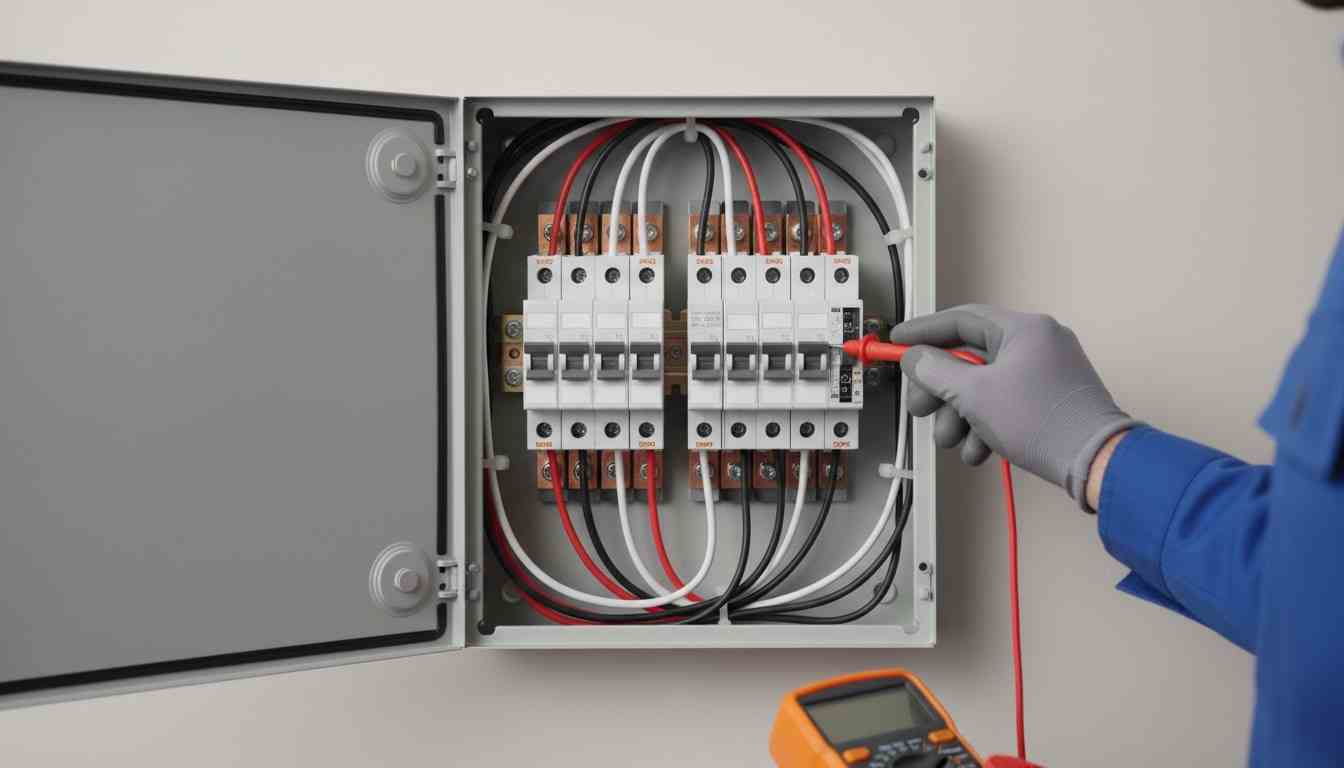
Home electrical systems don’t give you much room for error. A loose connection or a wire landed on the wrong terminal can sit inside a wall for months before it shows up as heat damage, a melted outlet, or worse. DIY mistakes like poor grounding, overloaded circuits, and using the wrong wire size are common, and they can create risks that aren’t obvious until something fails.
Fire is the headline risk, but it’s not the only one. Bad wiring can cause shocks, kill appliances, and create frustrating power issues that come and go. It’s also worth being honest about the cost side. Fixing a messy electrical job often means undoing work, replacing damaged parts, and sometimes opening up walls, which usually costs more than hiring a pro in the first place.
Insurance can get messy too. If an electrical fire or accident happens and an investigation finds unpermitted or improper work, you can end up fighting a denied claim or reduced coverage. That’s a rough situation to be in when it could’ve been avoided with licensed work and the right paperwork.
Safety, Compliance, and Peace of Mind
Local electricians aren’t just “electricians who live nearby.” They know the local code rules, the permit process, and what inspectors in your area typically look for. Codes vary by city and municipality, so what’s acceptable in one place can fail inspection somewhere else.
When the work is permitted and inspected, you’re not paying for red tape. You’re getting an outside check that the job meets safety standards. That helps protect your home’s value and can prevent headaches later if you sell, refinance, or have to file an insurance claim.
Peace of mind is the underrated benefit. When a qualified electrician finishes the job, you’re not stuck wondering if the wiring is quietly overheating behind a cabinet or if that new circuit is overloaded. You can use the space normally and move on.
When It’s Time to Stop Troubleshooting and Call an Electrician Near You
Many homeowners can handle basics like swapping a light fixture or replacing a switch, but there’s a point where continuing becomes more risky than helpful. If you’re unsure about circuit loads, wire sizing, grounding, or anything involving live power, that’s your cue to step back.
Some warning signs should move you straight into “call someone today” territory: flickering lights that aren’t just a loose bulb, outlets that feel warm, burning smells, buzzing from a panel, or breakers that keep tripping even after you unplug things. Those symptoms usually mean there’s an underlying problem that needs proper testing, not a quick patch.

Specific work also isn’t just risky, it’s often legally restricted. Anything involving the main service panel, adding new circuits, or running wiring through walls commonly requires permits and inspections. Skipping that can lead to fines, failed inspections, and real liability if something goes wrong later.
Questions to Ask Before You Hire an Electrician
A little screening up front saves you a lot of stress later. These questions help you confirm the electrician is properly qualified, runs a legitimate business, and won’t leave you guessing about costs, permits, or who’s actually doing the work.
- Are you currently licensed and insured in this municipality?
- Ask for their license number and proof of insurance, not just a verbal “yes.” You want general liability coverage and workers’ compensation. If something goes wrong on your property, this is what protects you, and it also shows they meet local requirements to do the work legally.
- Who will actually be performing the work on-site?
- The person answering the phone isn’t always the person doing the job. Ask if they’re sending a crew, an apprentice, or a subcontractor, and who will be supervising. For anything more than a simple fix, you should know a licensed journeyman or master electrician is overseeing the work.
- Do you have experience with projects similar to mine?
- Electrical work varies a lot. Some electricians mainly do new construction, others handle service calls, panel upgrades, or older-home rewiring. If your job is specific, like adding circuits for an air conditioner or updating a panel, you’ll get better results with someone who’s done that exact type of work many times.
- Will you be obtaining the necessary permits and scheduling inspections?
- A reliable electrician typically handles permits and coordinates inspections because it’s part of doing the job correctly. If they push you to pull permits yourself, treat that as a warning sign. It can mean they’re not licensed for the work, they don’t want the job inspected, or they’re trying to keep their name off the paperwork.
- Can you provide a detailed, written estimate and a timeline?
- Ask for a written estimate that separates labor and materials so you understand what you’re paying for. Get a realistic start date and a rough completion window too. Even if schedules shift, a pro should be able to give you a clear plan instead of vague promises.
- What kind of warranty or guarantee do you offer on your work?
- Good electricians stand behind their work. Ask what the warranty covers, how long it lasts, and what happens if something fails after the job is finished. It’s also worth asking how they handle call-backs, since that tells you a lot about how they treat customers after they’ve been paid.
Ensuring the Work is Up to Code and Properly Inspected
Local code rules can feel like paperwork, but they’re there for a reason. Permits and inspections are what confirm the work is safe, legal, and done the way it should be, not just “working for now.” They also protect your home value and can save you trouble with insurance later.
- Coordinating Permits and Inspections with Your Electrician: A professional electrician should handle the permit process before any work starts. They’ll file with your local building office so the city or county knows what’s being changed, and so an inspector can check the work when it’s ready. If an electrician tries to skip permits or asks you to pull them to “make it easier,” treat that as a warning sign.
- What to Expect on Inspection Day: During an inspection, a municipal official will examine the wiring, boxes, and panel connections to ensure they follow the National Electrical Code (NEC) and local amendments. Your electrician should be present or available to answer technical questions and quickly address any corrections the inspector might request.
- Keeping Records: Drawings, Permits, and Inspection Reports: Always maintain a dedicated folder for your electrical documentation, including the final signed-off permit and any circuit diagrams provided by the pro. These records are vital for future home sales, insurance claims, or if you decide to add more electrical features to your home later.
- Planning for Future Expansions or Modifications: When work is being inspected, it is the perfect time to discuss your long-term goals with the electrician to ensure current work doesn’t limit future growth. Ensuring your panel has extra space and that current circuits aren’t maxed out will make future upgrades much simpler and more affordable.
Conclusion
Never take chances when it comes to electrical wiring. This is not to say that home builders should not attempt to complete their project when they are confident in their wiring. In most cases, it does not hurt to look for “electricians near me” to ensure your renovation or construction project is up to code.
If you are looking to improve your electrical wiring skills, read our guide on basic tasks you can do yourself.
FAQs: Finding Electricians Near Me
- How do I know if I really need to hire an electrician?
- Safety is the keyword when you need to find an electrician near you. When you feel heat coming from your constructed walls or ceiling or when there is a concerning smell coming from an outlet, you need to consider a professional to check on your work.
- What credentials should I look for when choosing an electrician?
- A certified electrician must have an active license that lets them work within your city or municipality. Remember, the license must not be expired and is valid in your city. This ensures the contractor is qualified for electrical work.
- Why are permits and inspections so important for electrical work?
- It is to ensure the entire neighborhood’s safety, not just for you and your family. Permit ensure your wiring is in compliance with the National Electrical Code or NFPA 70, which means it is not going to start a fire that can endanger people. An inspection ensures your home is complying with the code.