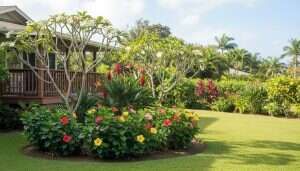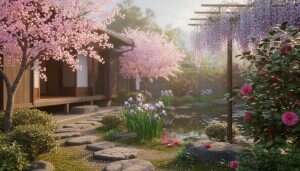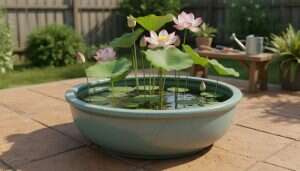
Hawaiian flowers stand out for their bright colors, rich scent, and that laid-back, tropical feel people associate with island vacations. What’s nice is that you can bring a piece of Hawaii home by growing their local flowers. With the right plant choices and basic gardening care, you can have these colorful blooms on your patio, balcony, or backyard.
This gardening guide covers the popular Hawaiian-style flowers that grow well in most American homes.
Key Takeaways
Contents
- Many iconic Hawaiian flowers like plumeria and hibiscus are actually introduced species that are widely available and easy for home gardeners to grow.
- While these plants thrive in tropical heat, gardeners in cooler climates can successfully cultivate them by using containers and moving them indoors during winter.
- Choosing between in-ground planting and pots is essential, as containers offer the flexibility to control drainage and protect sensitive plants from frost.
- Focusing on popular favorites like bird of paradise, ginger, and orchids allows you to achieve a lush, fragrant, and tropical aesthetic regardless of your location.
Understanding Hawaiian Flowers for Home Gardens
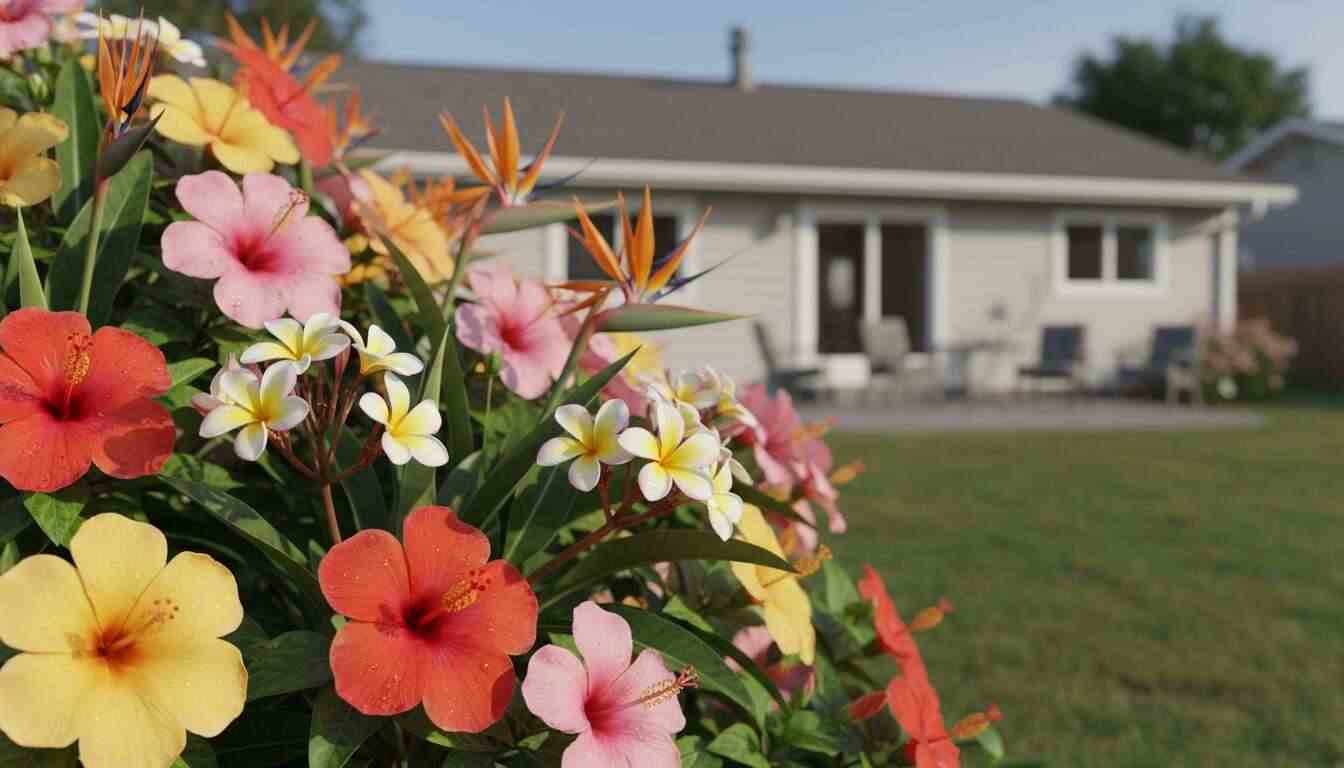
Hawaiian flowers are popular because of their vivid colors and strong fragrance. You are instantly transported to Honolulu when walk across a flowerbed full of these blooms. Fortunately, you do not need the island’s climate to grow them. Use our guide to learn how to cultivate these flowers.
What Makes a Flower “Hawaiian”? Native vs. Tropical Favorites
When people say “Hawaiian flowers,” they usually mean the blooms they’ve seen in leis, resort landscaping, and postcards, like plumeria, hibiscus, and bird of paradise. The interesting part is that many of these well-known plants aren’t native to Hawaii. They were brought in from other tropical areas over time and simply grew so well in the islands that they became part of the local look and culture.
Native Hawaiian flowers are a different category. Plants like ʻōhiʻa lehua, naupaka, and the Hawaiian hibiscus (the state flower) developed in isolation and are found nowhere else. That uniqueness can make them trickier to grow outside Hawaii, and some have protections or restrictions because of conservation concerns. If your goal is the classic tropical vibe at home, most gardeners do best with the widely available “Hawaiian favorites” that are naturalized or introduced, since they’re easier to find, easier to grow, and still deliver the same bold, lush feel.
Climate Considerations: Can You Grow Hawaiian Flowers Where You Live?
Hawaii’s biggest advantage is consistency. Temperatures stay warm, frost is basically not a concern, and humidity is usually on the higher side, which keeps tropical plants happy and blooming longer. If you live in a warm region with mild winters, a lot of these plants can live outdoors year-round with very little fuss. Plumeria, hibiscus, bougainvillea, gingers, and ti plants are common picks for places that stay frost-free.
Cooler climates can still work, you just have to treat these plants differently. Many tropical flowers do great in containers so they can live outside during the warm months and come indoors when temperatures drop. A bright window, sunroom, or greenhouse helps a lot. As a general rule, most of these plants start to struggle when temps dip too low, so keeping them above about 50°F and giving them decent humidity makes a noticeable difference. If winters are harsh where you are, think of Hawaiian flowers as patio plants you rotate seasonally, or choose tropical varieties that behave well as houseplants, like orchids, anthuriums, and compact hibiscus types.
Containers vs. In-Ground Planting for Tropical Blooms
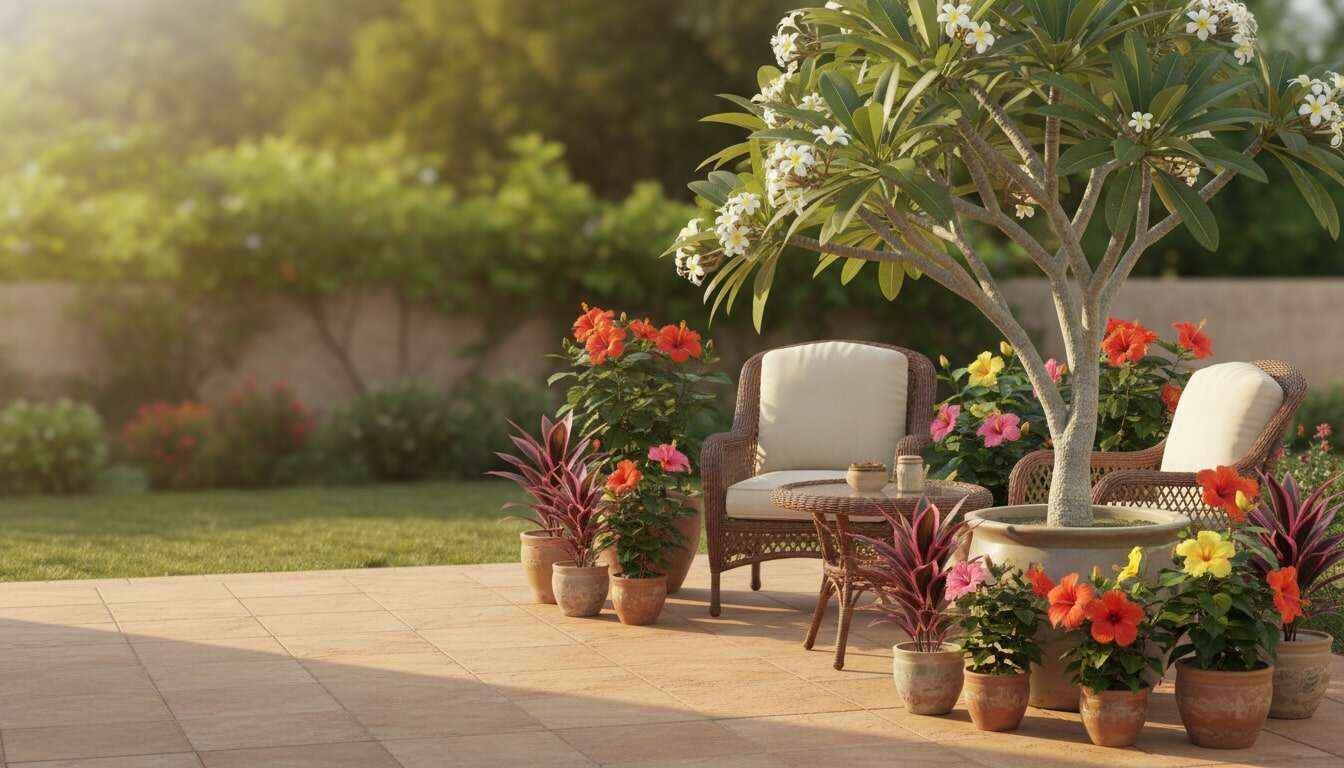
Deciding between pots and planting in the ground is one of the biggest “make it or break it” choices for Hawaiian flowers. In warm climates, planting in the ground lets these plants grow the way they want to grow. Hibiscus can become a full hedge, bird of paradise can turn into a big statement clump, and taller tropicals like heliconica can give you that jungle-border look. You’ll still want decent soil and good drainage, but once they’re established, in-ground plants can be lower maintenance and more generous with blooms.
Containers are the flexible option, and they’re the reason tropical gardening is possible almost anywhere. You can move plants to get more sun, protect them from heavy rain and wind, and bring them inside when the weather turns. Pots also let you control drainage, which matters because a lot of tropical plants hate sitting in soggy soil. The tradeoff is you’ll water more often, feed more regularly, and repot once in a while. A lot of gardeners land on a mix of both, planting the tougher plants in the ground when the climate allows and keeping the more sensitive or special ones in containers so they’re easier to protect.
Top Hawaiian Flowers to Grow in Your Garden
Hawaiian-style flowers are all about big color, strong scent, and that lush tropical look that makes a space feel like a getaway. A lot of the classics grow well at home, especially if you use containers or you live somewhere warm. Here are the favorites most home gardeners have the best luck with.
Plumeria (Frangipani)
Plumeria is the “lei flower” most people picture first, and the fragrance really is hard to beat. Blooms show up in white, yellow, pink, red, and blends, often with that smooth, waxy look. Give it full sun and fast-draining soil, and it’s happy in a large pot on a bright patio. If you get cold winters, keep it in a container so you can move it into a bright, frost-free spot during the cool months while it rests.
Hibiscus
Hibiscus brings instant tropical drama with those huge, showy blooms. It likes warmth, strong light, and soil that stays evenly moist without staying soggy. A regular feeding schedule makes a big difference for flower production. In warm areas, it works as a hedge or a main shrub in the yard. In cooler places, it does well in a large pot that you can pull indoors when temperatures dip.
Bird of Paradise
Bird of paradise is more about that bold, sculptural look, both in the leaves and the flowers. The blooms look like a bright tropical bird, with orange and blue tones that stand out from across the yard. It prefers bright light and well-draining soil, and it’s worth giving it some wind protection since leaves can tear. It can live in the ground in frost-free climates, or in a big container if you need to bring it in during winter. It can take a few years to bloom, but the plant still looks impressive even before it flowers.
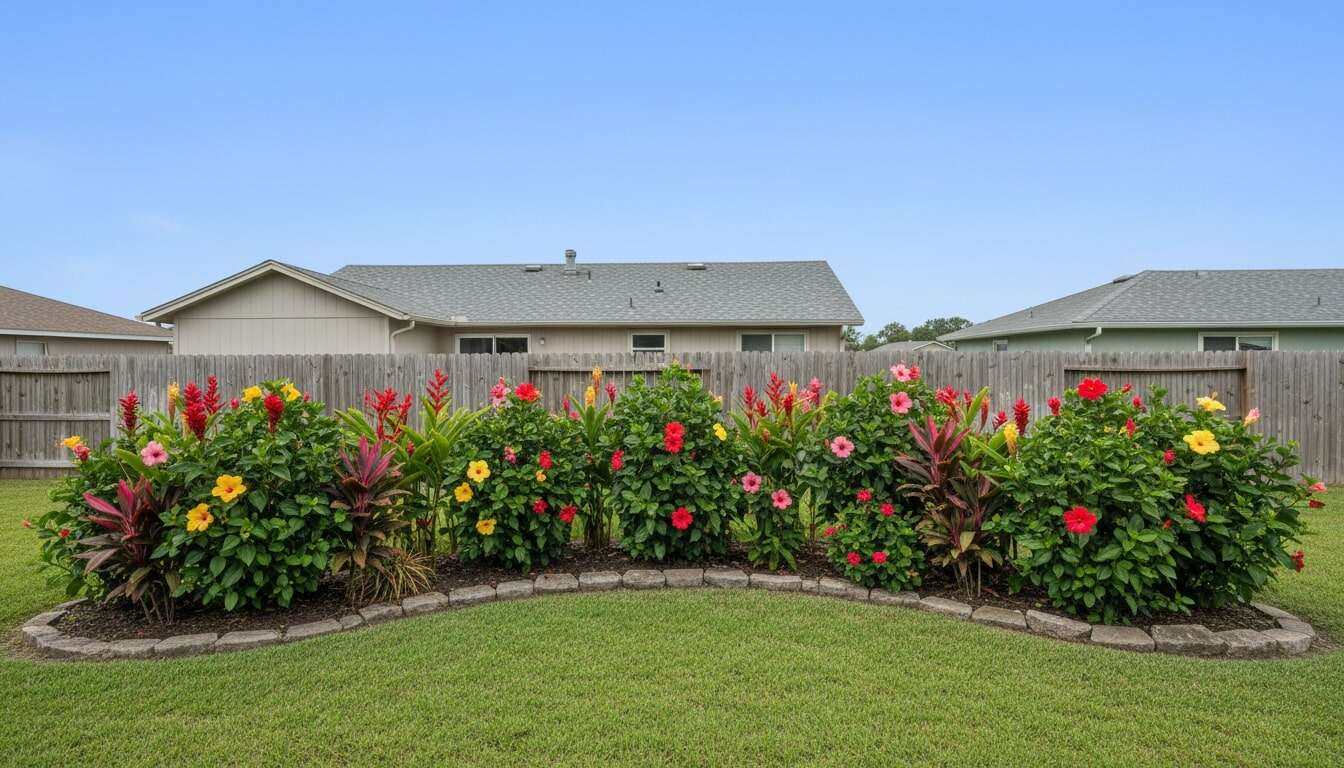
Red Ginger
Red ginger adds upright flower spikes and glossy leaves that make everything around it feel more “jungle.” It prefers warmth, steady moisture, and soil with plenty of organic matter. Light shade or bright filtered light usually suits it better than harsh sun. It’s a great pick for a sheltered corner, along a shaded fence, or anywhere you want a dense tropical look. If your winters are cold, grow it in a pot and overwinter it indoors in a bright, humid spot.
Heliconia (Lobster Claw)
Heliconia has those dramatic bracts that look like lobster claws, often in red, orange, yellow, or hot pink. It likes heat, humidity, and rich soil that drains well, plus partial sun or light shade. In warm climates it can spread into a thick clump, which makes it useful as a backdrop plant or a privacy screen. In cooler areas, treat it as a standout container plant for summer, then move it somewhere warm when temperatures drop.
Ti Plant (Cordyline fruticosa)
Ti plants are usually grown for their leaves rather than flowers, and the foliage color is the whole point. You’ll see deep burgundy, bright pink, lime green, and variegated mixes, so it adds that tropical punch even when nothing is blooming. It does best with bright, indirect light or gentle morning sun and afternoon shade. Keep the soil evenly moist, and it’ll do well in the ground in warm regions or in a container you can bring indoors when it gets chilly.
Tuberose
Tuberose is a fragrance plant first and a flower plant second, and the scent is strongest in the evening. It sends up tall spikes of white blooms and does best in full sun to light shade with well-draining soil. Raised beds and containers work especially well because you can control moisture more easily. Plant it near a walkway, patio, or open window so you actually get to enjoy the perfume. If you deal with frost, lift the bulbs or keep them in pots you can store in a cool, dry place.
Orchids (Especially Dendrobium)
Orchids are a classic part of Hawaiian décor and lei culture, and Dendrobium types are one of the more practical choices for home growing. They want bright, indirect light, good airflow, and higher humidity, plus a proper orchid mix instead of regular potting soil. A lot of orchids are perfectly happy indoors, which makes them an easy way to keep the tropical look year-round. In warm climates, they can live outside in hanging baskets or in a sheltered, shady spot.
Bougainvillea
Bougainvillea brings that explosion of color people often mistake for flowers, even though the bright parts are actually bracts. It thrives in full sun with lean, well-draining soil, and it prefers drying out a bit between waterings. Train it over a trellis, along a fence, or against a wall for a big tropical statement. If winters get cold, look for dwarf varieties in containers so you can prune and shape them, then move them to safety when frost threatens.
Pikake (Jasminum sambac)
Pikake is loved for its small white flowers and strong, sweet scent. It grows as a shrub or a loose climber, depending on how you train it. Give it sun or light shade and soil that drains well, and it’ll reward you with blooms you’ll notice the second you walk past. It’s a great container plant near doors, windows, or seating areas. In cooler climates, it can live indoors in a bright spot, then go back outside when warm weather returns.
Anthurium
Anthurium adds glossy leaves and those shiny, heart-shaped spathes that come in red, pink, white, and even green. It’s one of the best choices for a shaded patio or indoor growing because it prefers bright, indirect light rather than full sun. High humidity helps a lot, and it likes a loose potting mix with good drainage and plenty of organic matter. In warm areas, it can grow outdoors in protected shade, as long as it’s kept away from harsh sun and cold snaps.
Conclusion
Hawaiian flowers can turn a plain patio or yard into something that feels brighter, softer, and a lot more relaxing. You don’t need true island weather to pull it off either. Pick the right flowers and stay consistent with light, watering, and drainage, and a lot of these tropical favorites do surprisingly well in home gardens. Containers help you “cheat” the climate, and a sheltered corner, warm wall, or sunny window can act like a mini microclimate. Start with one or two plants that are easy to manage, then add more once you get a feel for what works in your space.
FAQ: Hawaiian Flowers
- Can I grow Hawaiian flowers if I don’t live in a tropical climate?
- Yes. Plenty of popular Hawaiian-style plants do well in containers, which lets you bring them inside when the weather turns cold. Plumeria, hibiscus, orchids, and anthuriums are common picks because they adapt well to patio-to-indoors living. Focus on warmth, bright light, and well-draining soil, and protect them from frost. In cooler regions, think of them as summer patio plants that double as houseplants in winter.
- Which Hawaiian flowers are easiest for beginners?
- Hibiscus, ti plant, dwarf bougainvillea, and many orchids like Dendrobium are usually beginner-friendly. They’re easy to find, they bounce back from small mistakes, and they give you quick results when conditions are decent. Start with healthy nursery plants, use a good potting mix, and place them where they’ll get enough light. Keeping your plant list short at first helps you learn faster without getting overwhelmed.
- Do Hawaiian flowers need special soil or fertilizer?
- They don’t need anything fancy, but they do need good drainage. Most tropical plants struggle in heavy, wet soil, so a quality potting mix with extra perlite or bark is a safe choice for containers. During the growing season, a balanced fertilizer or a bloom-leaning formula helps, as long as you follow the label and don’t overdo it. The biggest thing to avoid is constantly soggy soil, since root rot is one of the most common issues with tropical plants.
- Can I grow Hawaiian flowers indoors year-round?
- Yes, as long as you can give them enough light and a bit of humidity. Orchids and anthuriums are especially good indoor choices, and smaller hibiscus varieties and pikake can work too. Put them near a bright window or use a grow light if your home is dim. Keep them away from cold drafts, and boost humidity with a tray of water and pebbles, a small humidifier, or grouping plants together.
- Are Hawaiian flowers safe for pets and children?
- Some are, some aren’t, so it’s worth checking each plant before you buy it. A few popular choices can cause problems if chewed or swallowed, especially for pets. Plumeria and ti plant are often mentioned as plants to be careful with, and certain lilies are a bigger concern. If you have curious pets or small kids, keep plants out of reach, use hanging baskets, or stick with varieties that are known to be non-toxic.