
Last Updated on December 5, 2025 by teamobn
Mediterranean homes are inspired by the coastal regions of Spain, Italy, and Greece. They are known for light stucco walls, red clay roof tiles, arched doors and windows, and comfortable outdoor living spaces.
This style is popular because it feels warm, relaxed, and close to nature. In this guide, you will learn what makes a Mediterranean style home, the main features of this architecture, and simple ways to bring the look into your own house.
Contents
- 1 Quick Answer: What Makes a Mediterranean Style Home
- 2 What Is a Mediterranean Style Home
- 3 Historical Roots of Mediterranean Architecture
- 4 Key Features of Mediterranean Style Homes
- 5 Design Elements in Mediterranean Homes
- 6 Mediterranean Landscaping and Outdoor Spaces
- 7 Interiors of Mediterranean Homes
- 8 Modern Adaptations of Mediterranean Architecture
- 9 How to Add Mediterranean Style to Your Home in 5 Simple Steps
- 10 Conclusion
Quick Answer: What Makes a Mediterranean Style Home
Key features of Mediterranean style homes:
- Light stucco exterior walls, often white or cream
- Red clay tiled roofs with gentle slopes
- Arched doors, windows, and interior openings
- Courtyards, patios, and other outdoor living areas
- Natural materials such as stone, wood, terracotta, and wrought iron
- Warm, earthy color palettes with accents of blue and green
- Open, airy interiors with lots of natural light
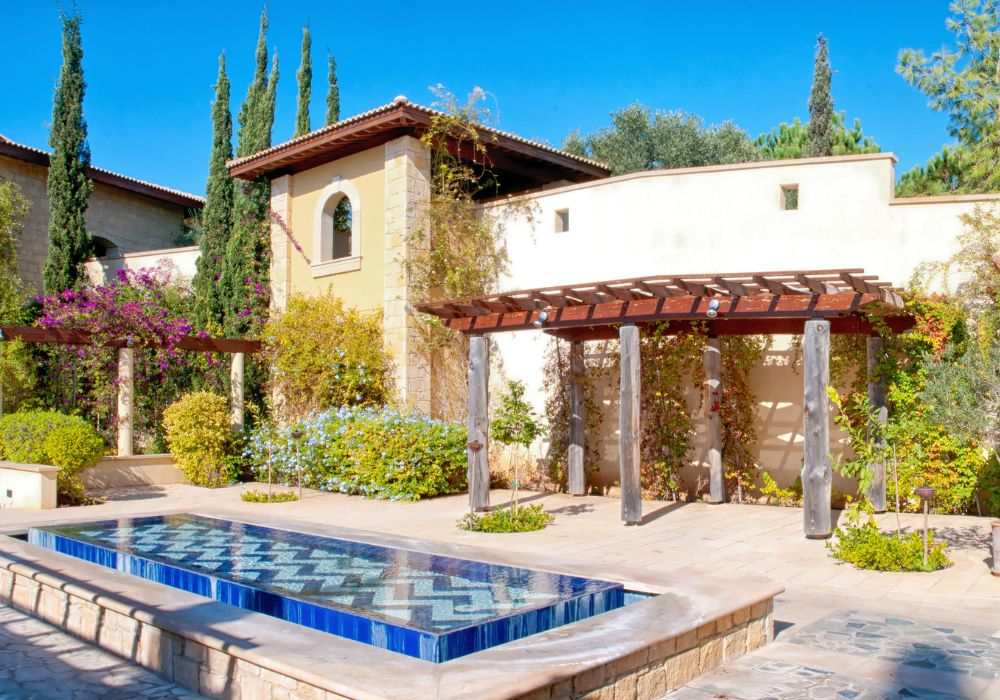
What Is a Mediterranean Style Home
A Mediterranean style home is a house design that takes its inspiration from traditional buildings in southern Europe, especially along the Mediterranean Sea. These homes were originally built in hot, sunny climates and were designed to stay cool, bright, and comfortable.
Most Mediterranean homes have:
- Thick walls finished with stucco to help keep the interior cool
- Low pitched roofs covered in red or brown clay tiles
- Arched doors and windows that soften the overall look
- Outdoor spaces such as courtyards, terraces, and balconies that extend daily living outside
The result is a home that feels timeless, casual, and welcoming.
Historical Roots of Mediterranean Architecture
The roots of Mediterranean architecture come from the coastal regions of southern Europe and North Africa. In these areas, the climate and available materials strongly shaped building styles.
Early Mediterranean homes were designed as practical shelters for warm, sunny weather. Builders used local materials such as stone, clay, and wood. Thick walls and small windows helped keep the inside cool during the day and warm at night.
Over the centuries, many cultures influenced the style, including:
- Greeks who favored open courtyards and simple, balanced forms
- Romans who added grand arches, columns, and formal gardens
- Moors who introduced intricate tilework, decorative metal, and water features
As trade grew and cultures mixed, these design ideas blended together. Open courtyards, shaded arcades, and decorative tiles became hallmarks of Mediterranean architecture.
During the Renaissance and later periods, builders combined these traditional elements with more luxurious touches such as carved stone details and large terraces. This mix of practicality and elegance still shapes the Mediterranean style that we see in homes today.
Key Features of Mediterranean Style Homes
Mediterranean homes are well known for combining comfort with beauty. Each feature is useful for warm climates and also adds to the relaxed, elegant look of the house.
Stucco Walls and Red Tiled Roofs
The most recognizable feature of Mediterranean homes is the combination of light colored stucco walls and contrasting red clay tiled roofs.
- Stucco walls help reflect sunlight and act as insulation, which keeps interiors cooler.
- Clay roof tiles are durable and handle sun and heat very well. Their curved shape also helps with rainwater runoff and ventilation.
Together they create the classic Mediterranean look that many people picture.
Arches and Curved Openings
Arched doors and windows are another signature element. They:
- Soften the straight lines of walls and ceilings
- Bring in more natural light
- Create a graceful, traditional feel
Inside the home, arched openings between rooms also help spaces feel connected without fully closing them off.
Open Courtyards and Central Gardens
Indoor outdoor living is at the heart of Mediterranean homes. Many houses include:
- A central courtyard or small internal garden
- Outdoor sitting areas shaded by pergolas or covered porches
- Fountains, ponds, or simple water features that cool the air and add a relaxing sound
These spaces act as private outdoor rooms where families can cook, eat, and relax.
Use of Natural Materials
Mediterranean homes make heavy use of natural, local materials. Common choices include:
- Stone for walls, flooring, and paths
- Terracotta for roof tiles, floor tiles, and pots
- Wood for beams, doors, and shutters
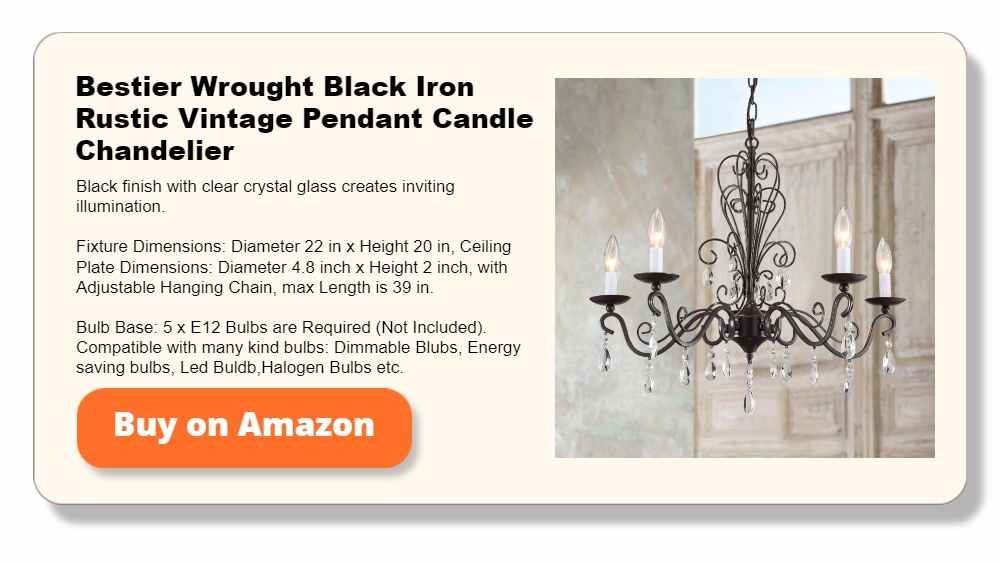
- Wrought iron for railings, light fixtures, and window grilles
These materials are durable and age gracefully. They also blend naturally with the surrounding landscape.
Decorative Tilework and Mosaics
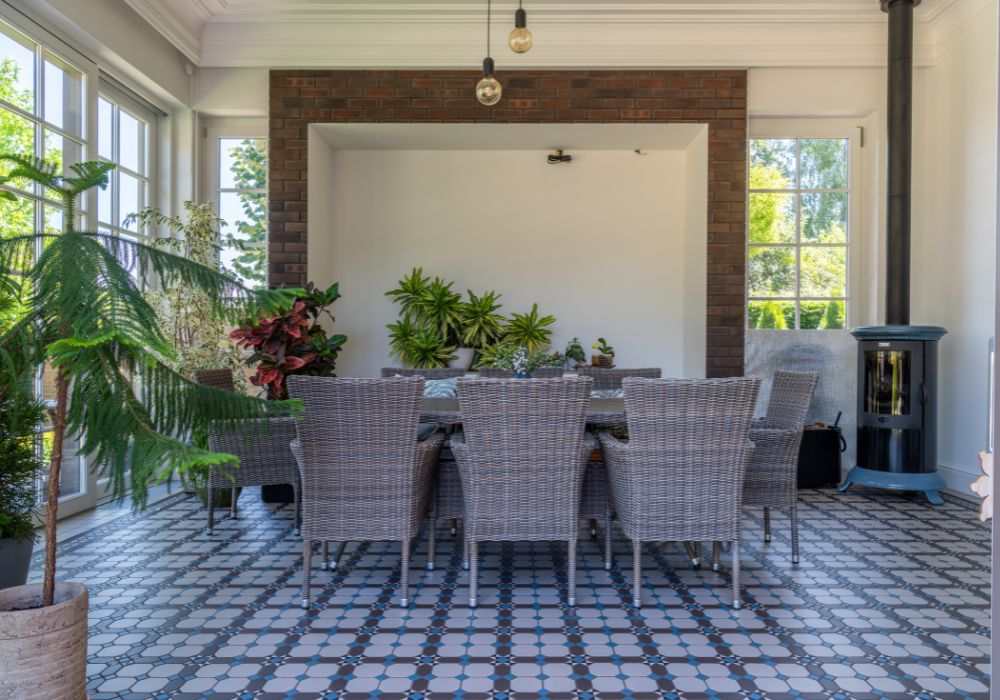
Colorful tilework is a strong part of Mediterranean design, especially in areas with Moorish influence. Tiles are often used:
- On floors in entryways, kitchens, and bathrooms
- As backsplashes and borders in kitchens
- Around fireplaces and fountains
Patterns may be geometric or floral and often use deep blues, greens, and warm earth tones. This tilework adds character and breaks up large areas of plain stucco or stone.
Large Windows and French Doors
To support indoor outdoor living and take advantage of natural light, Mediterranean homes often include:
- Large windows that can be arched or rectangular
- French doors opening onto patios, balconies, or gardens
These features help connect the interior with the outside and keep the spaces bright and breezy.
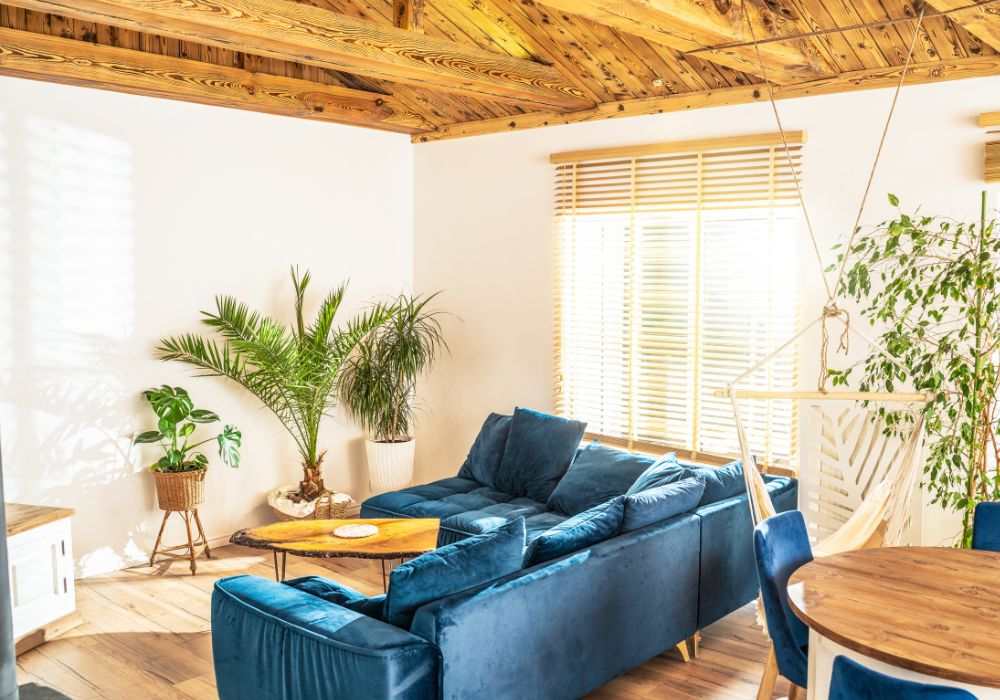
Exposed Wooden Beams
Inside many Mediterranean homes, ceilings are finished with exposed wooden beams. These beams:
- Show the structure of the house
- Add warmth and texture
- Emphasize the rustic roots of the style
They are often paired with light ceiling surfaces to keep the room feeling open.
Design Elements in Mediterranean Homes
Beyond the main architectural features, Mediterranean homes also have a clear design language inside. These elements work together to create warm, practical spaces that feel relaxed but thoughtfully put together.
Earthy Color Palette
The color palette of Mediterranean homes is drawn from nature. Typical base colors include:
- Warm whites and creams
- Soft beiges and tans
- Terracotta and clay tones
- Olive greens and muted browns
These are often accented with brighter colors such as:
- Deep blues that echo the sea
- Sunny yellows and golds
- Rich green or turquoise accents
The result is a warm, inviting atmosphere that fits well with natural materials.
Natural Materials Throughout
Natural materials appear in almost every part of a Mediterranean style home. Common choices include:
- Stone and marble for floors, fireplaces, and countertops
- Terracotta tiles for floors, steps, and outdoor areas
- Hardwood for floors and furniture
- Wrought iron for stair rails, light fixtures, and balcony guards
These materials help keep interiors cool in hot weather and are easy to maintain.
Importance of Tilework
Tile is both decorative and practical in Mediterranean interior design. Hand-painted ceramic tiles and mosaic patterns are often used:
- On kitchen backsplashes
- On bathroom walls and floors
- Around mirrors and windows
- As stair riser accents
Tiles are durable, easy to clean, and stay cool underfoot, which makes them ideal for warm climates.
Textiles and Upholstery
Textiles in Mediterranean homes add softness and comfort. Typical choices are:
- Natural fabrics like cotton, linen, and wool
- Light curtains that filter sunlight rather than block it
- Cushions and throws in earthy colors with patterned accents
Heavier fabrics may be used for drapes in very sunny rooms, while lighter materials are used for upholstery and bedding.
Open Layouts and Flowing Spaces
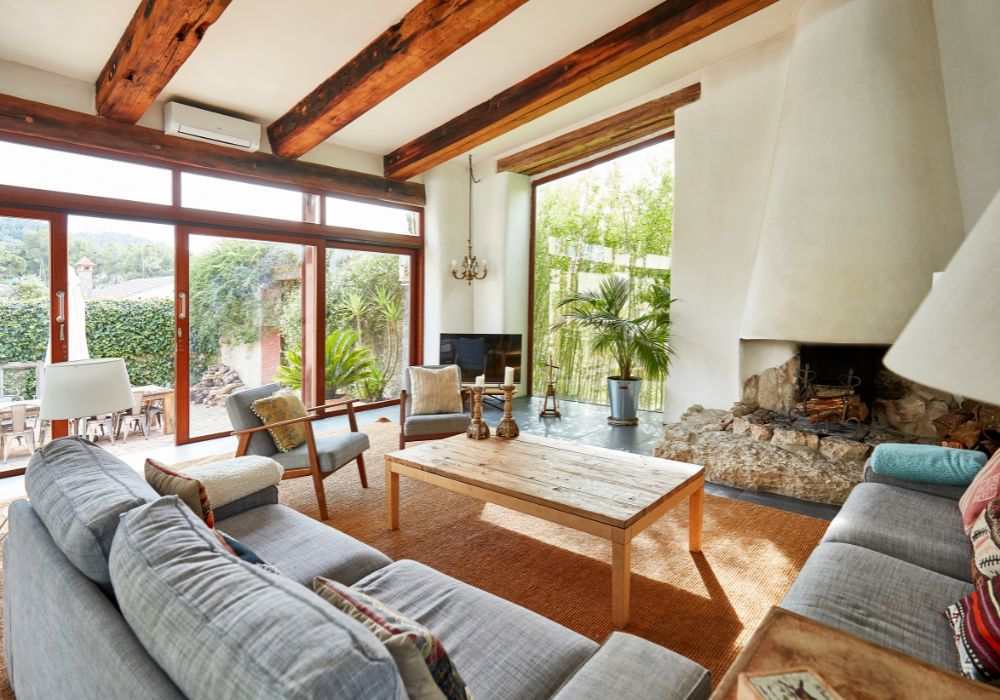
Many Mediterranean homes feature open layouts that encourage easy movement between spaces. Often:
- Kitchens open directly into dining and living areas
- Living rooms connect directly to patios or terraces
- Archways separate spaces without fully dividing them
This design supports family life and entertaining, and allows light and air to move freely.
Mediterranean Landscaping and Outdoor Spaces
Landscaping is a key part of Mediterranean style. Outdoor areas are treated as true extensions of the home and are carefully designed for both beauty and function.
Strong Indoor Outdoor Connection
Mediterranean homes aim for a smooth transition between inside and outside. This is often achieved with:
- Large French doors or sliding glass doors that open wide
- Continuous flooring materials used both indoors and outdoors
- Covered patios that feel like outdoor living rooms
In warm climates, these spaces may be used most of the year.
Central Courtyards
A central courtyard is a classic Mediterranean feature. It may include:
- A small fountain or pool
- Paved areas for sitting and dining
- Raised beds or planters with herbs and flowers
Courtyards are usually sheltered from wind and street noise, which makes them ideal for quiet relaxation or social gatherings.
Native and Drought-Tolerant Plants
Mediterranean gardens often rely on plants that do well in hot, dry conditions, such as:
- Olive trees and citrus trees
- Lavender, rosemary, sage, and thyme
- Bougainvillea, geraniums, and other sun loving flowers
These plants need less water and care and also provide fragrance and color.
Use of Terracotta and Stone Outdoors
Outdoor areas often use the same materials as the house:
- Terracotta pots filled with herbs and flowers
- Stone or tile paths and patios
- Low stone walls to define garden areas
These elements help the house and garden feel like one complete design.
Outdoor Living Features
Mediterranean homes are often planned around outdoor living. Common features include:
- Patios with tables and chairs for outdoor dining
- Pergolas covered with vines to create shaded sitting areas
- Outdoor kitchens with a grill or even a wood fired pizza oven
- Fire pits or fireplaces for cooler evenings
These features turn the yard into a comfortable living space, rather than just a lawn.
Interiors of Mediterranean Homes
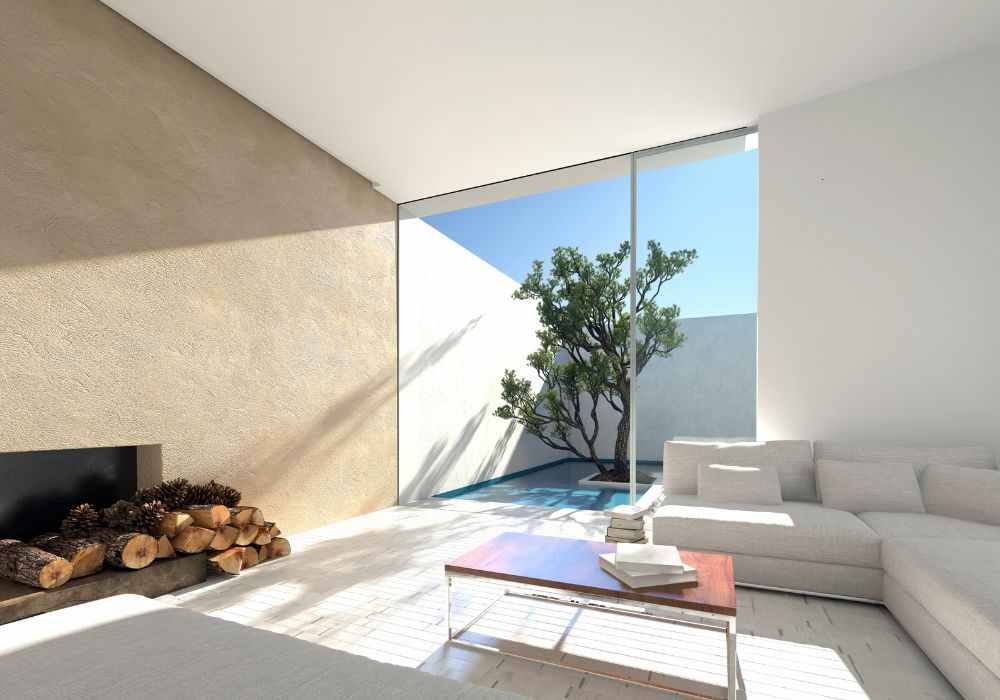
The interiors of Mediterranean style homes are meant to feel bright, comfortable, and relaxed, while still showing a sense of history and craftsmanship.
Open and Airy Layouts
Interior spaces are usually open and not heavily divided. Many homes use:
- High ceilings to make rooms feel larger
- Fewer interior walls in main living areas
- Arched openings instead of solid doorways
This helps improve airflow and keeps the house feeling light and spacious.
Natural Light
Natural light is a major part of Mediterranean interior design. Homes often have:
- Large windows placed to capture sunlight
- Glass doors that open onto balconies or patios
- Light colored walls and floors that reflect light
Bright, sunlit rooms are a key reason people find this style uplifting.
Earthy Materials and Textures Indoors
The same natural materials used on the exterior carry through inside:
- Stone or terracotta tile floors
- Wooden beams on ceilings
- Plaster or stucco finished walls
These materials create a strong connection between the home and its surroundings.
Colorful Accents and Artwork
While the main colors are neutral and earthy, Mediterranean interiors often use bold accents. These might include:
- Colorful patterned tiles in kitchens and bathrooms
- Brightly colored rugs, cushions, and throws
- Artwork with coastal or traditional Mediterranean themes
These accents give each home personality and reflect the culture of the region.
Functional Yet Decorative Furniture
Furniture in Mediterranean homes is chosen to be comfortable, solid, and long lasting. Typical pieces include:
- Wooden tables and chairs with simple but strong designs
- Wrought iron bed frames or side tables
- Upholstered seating in natural fabrics
Decorative carving, metalwork, and tile inlay may be used, but pieces are not usually overly ornate. The goal is a space that is both beautiful and easy to live in.
Modern Adaptations of Mediterranean Architecture
Modern Mediterranean homes keep the charm of the original style while updating it for today’s needs. New materials and technology are used to improve comfort, efficiency, and flexibility.
Blending Traditional and Contemporary Design
Many newer Mediterranean homes:
- Keep classic elements such as stucco walls, clay roofs, and arches
- Use simpler, cleaner lines in furniture and built ins
- Reduce heavy ornamentation to create a fresher look
This mix appeals to people who want a timeless style that still feels modern.
Advanced Materials and Construction
Modern building methods can improve the performance of Mediterranean style homes. For example:
- Reinforced concrete and steel can make structures stronger
- Improved insulation can help regulate interior temperatures
- Updated stucco systems can reduce cracking and maintenance
These changes help keep the homes comfortable in both hot and cooler climates.
Sustainable and Energy Efficient Features
Sustainability fits naturally with Mediterranean design because traditional homes were already built to respond to climate. Today, many homeowners add features such as:
- Solar panels on sun exposed roofs
- Rainwater collection systems for gardens
- High performance windows and doors
- Green roofs or planted terraces in some designs
These updates lower energy bills and reduce the environmental impact of the home.
Open and Flexible Floor Plans
Modern life often calls for spaces that can serve more than one purpose. Many updated Mediterranean style homes include:
- Large combined kitchen, dining, and living areas
- Rooms that can switch between guest room, office, or hobby space
- Sliding or folding doors that can open or close areas as needed
This flexibility lets families adjust their homes as their needs change.
Smart Home Technology
Smart technology can be added without disturbing the Mediterranean look. Common upgrades include:
- Smart thermostats to control heating and cooling
- Automated lighting indoors and in the garden
- Security systems and cameras that can be monitored remotely
These features add convenience and safety while keeping the charm of the architecture.
Revamped Outdoor Living Spaces
Outdoor areas in modern Mediterranean homes often include:
- Fully equipped outdoor kitchens with space for cooking and serving
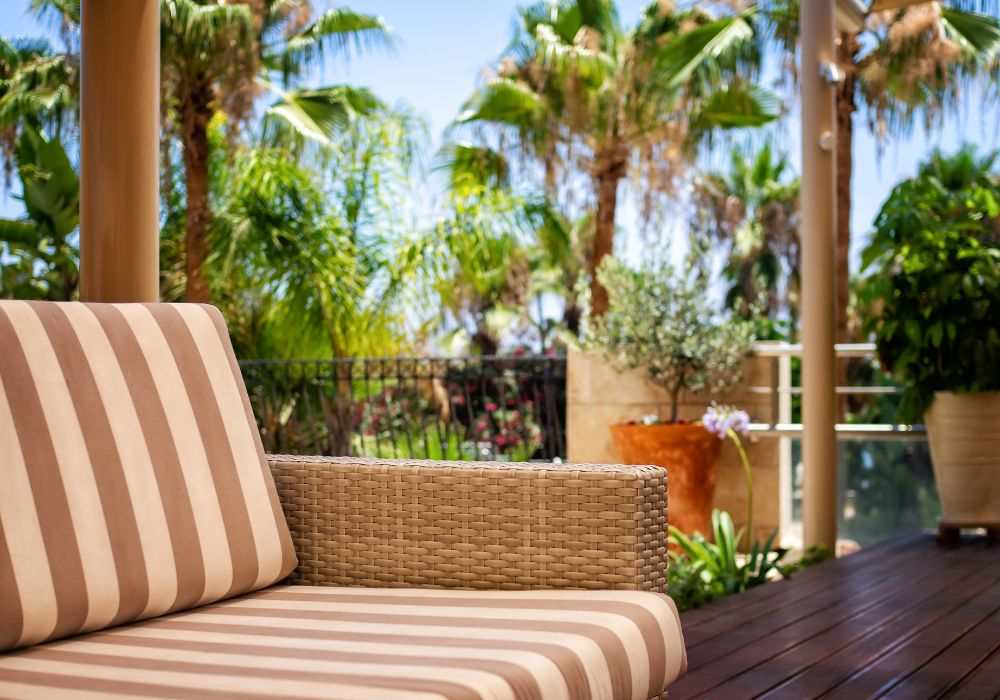
- Comfortable seating and dining furniture designed for outdoor use
- Retractable shades or covers to protect from sun and rain
- Weather resistant lights for evening use
The goal is to make outdoor spaces usable in as many seasons as possible.
How to Add Mediterranean Style to Your Home in 5 Simple Steps
You do not need to rebuild your house to enjoy Mediterranean style. Here are simple changes that can move your home in that direction.
- Start with color
- Paint walls in off white, cream, or light beige.
- Add accents with terracotta, olive green, and deep blue in smaller areas such as doors, chairs, or accessories.
- Introduce natural materials
- Use wood, stone, or stone look tiles where possible.
- Add terracotta pots with herbs like rosemary or lavender.
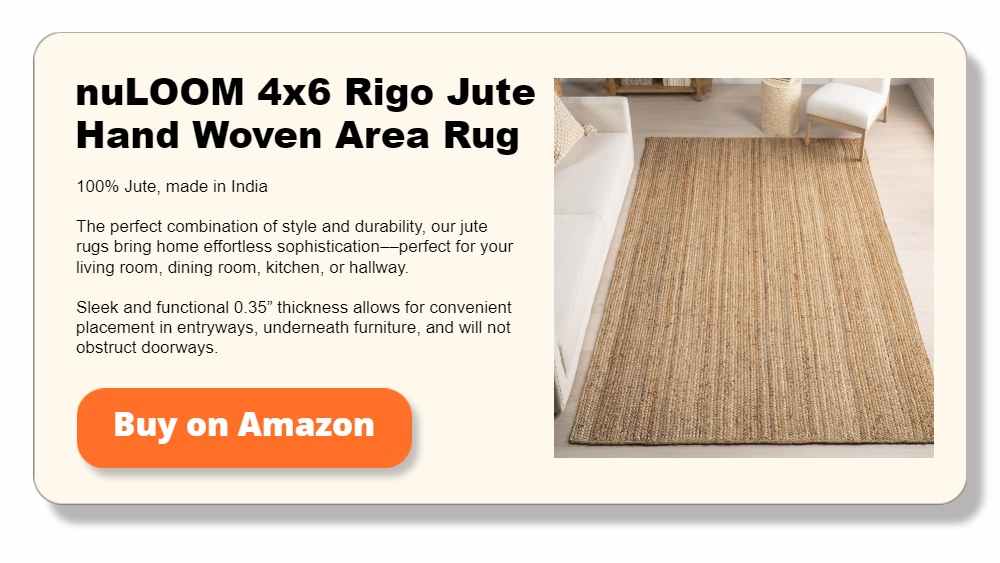
- Choose woven baskets and natural fiber rugs.
- Add curves and arches where you can
- Use arched mirrors, headboards, or shelving units.
- If you are renovating, consider arched openings between key rooms.
- Create an outdoor living corner
- Set up a small patio or balcony with a table and chairs.
- Add potted plants, string lights, and outdoor cushions in warm colors.
- If space allows, include a portable fire pit or outdoor heater.
- Layer in tile and textiles
- Use patterned tiles on a kitchen backsplash or a bathroom accent wall.
- Choose cushions, throws, and curtains in earthy shades with simple patterns.
- Add Mediterranean inspired artwork or framed prints.
Even a few of these changes can give your home a stronger Mediterranean feel.
Conclusion
Mediterranean homes offer a distinctive blend of historic charm and modern comfort. Classic elements such as stucco walls, red tiled roofs, arches, and open courtyards create a relaxed, welcoming atmosphere. The use of natural materials and earthy colors keeps the style grounded and warm.
Modern adaptations add better energy efficiency, flexible floor plans, and smart technology, without losing the connection to light, air, and outdoor living. Whether you are building a new house or updating an existing one, Mediterranean design ideas can help you create a home that feels bright, comfortable, and inviting all year round
We have more guides to boost the aesthetic of your home. Check out our home design element guide!
Frequently Asked Questions About Mediterranean Homes
- What is a Mediterranean style home?
- A Mediterranean style home is inspired by traditional buildings in southern Europe, featuring stucco walls, red tiled roofs, arches, and outdoor living spaces.
- What are the main features of Mediterranean homes?
- Key features include light stucco walls, red clay tile roofs, arched doors and windows, courtyards, natural materials (stone, wood, terracotta), and earthy color palettes.
- Can I make a regular house look Mediterranean?
- Yes, you can add Mediterranean touches with paint colors, terracotta pots, wrought iron accents, and appropriate textiles.
- Are Mediterranean homes good for hot climates?
- Yes, they are designed for hot climates, using thick walls, shaded courtyards, and clay roofs to keep interiors cool.
- Is Mediterranean style still popular today?
- Yes, it remains popular, often blending classic features with modern updates for comfort and efficiency.