
Last Updated on December 23, 2025 by teamobn
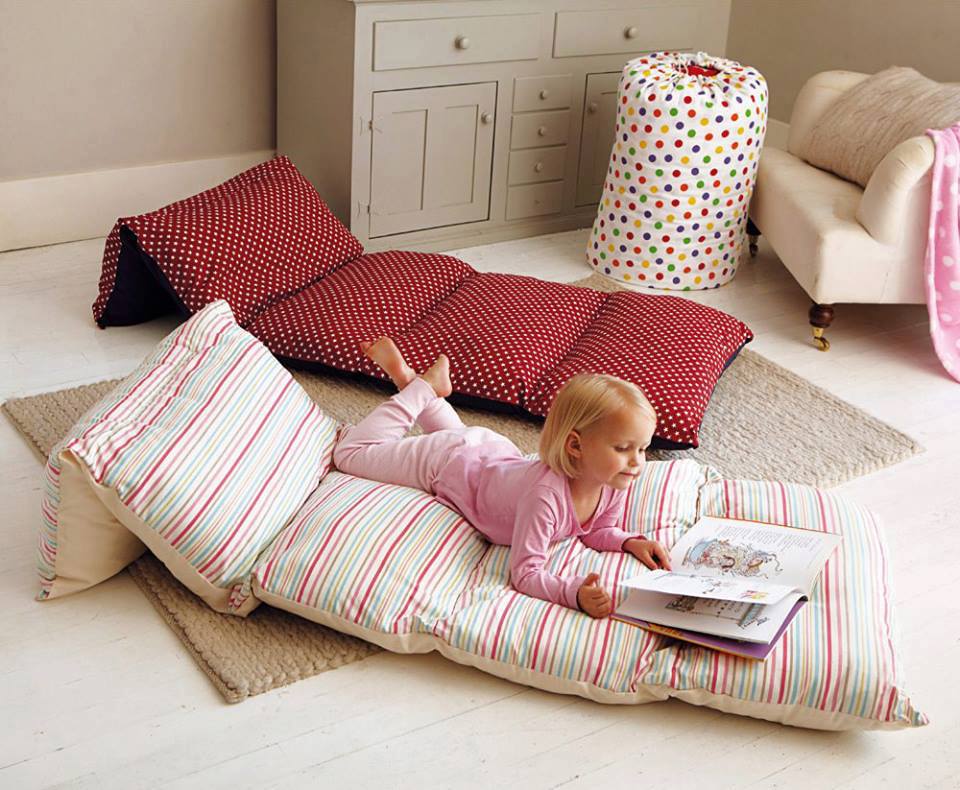
Finding extra seating for movie nights or reading marathons often leads to bulky furniture that clutters your living space. A DIY pillow bed offers a clever solution by repurposing standard bed pillows into a portable, cushioned lounger that adapts to any room. This project is perfect for anyone looking to create a cozy retreat for children or a flexible floor mattress for guests without spending a fortune on store-bought alternatives. By following a few simple steps, you can transform basic bedding into a stylish and functional home accessory that provides comfort exactly where you need it.
Contents
Making Bed Pillows
Materials:
- Duvet Cover
- 4 Pillows, at least
- Sewing machine
- Scissors
Steps:

Measure the duvet cover using the pillows, and cut to desired length and width. Make sure to leave 5-inch allowance for the width from the size of your pillow.
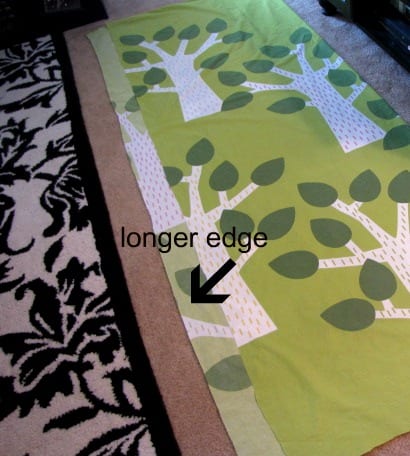
Cut the top half of the duvet cover lengthwise so that the bottom edge sticks out a few inches further. The width of the top half should now more or less fit the length of your pillow. The longer edge will serve as a “pocket” later on so that the pillows are not exposed.

Turn the duvet cover inside out and hem all the raw edges.
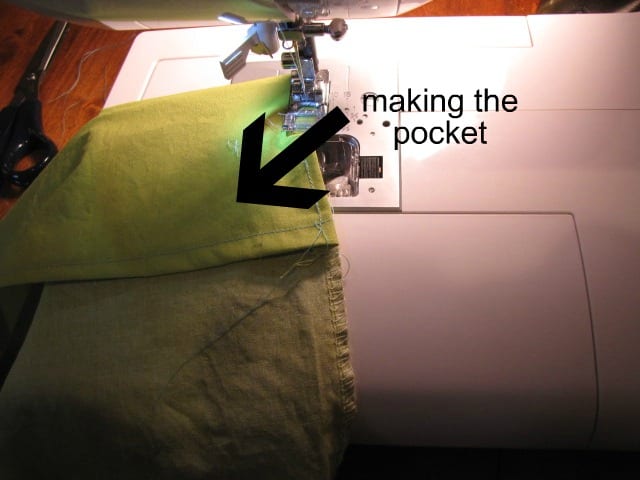
After that, fold the longer edge and sew the sides to make the “pocket.” The longer and shorter edge should now be equal.

Turn it right-side-in and make the pillow compartments by sewing lines width-wise.
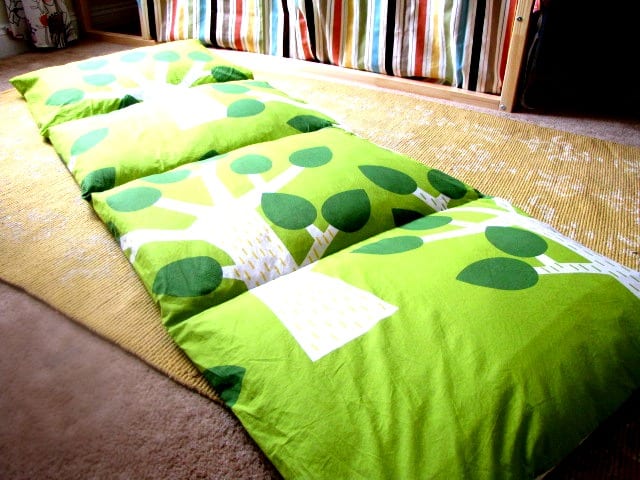
Now you are ready to insert the pillow!
Source: Southern Disposition
Benefits of Making a Bed Pillow Floor Lounger
Turning a few bed pillows into a floor lounger is one of those DIYs that feels almost too simple, but ends up being genuinely useful. It takes bedding you already own and turns it into flexible seating you can move around the house, stash away, and pull out whenever you need an extra comfy spot.
Cost-Effective Alternative to Store-Bought Floor Cushions
Store-bought floor loungers and oversized cushions get expensive fast. It’s not unusual to see price tags in the $80–$200 range once you’re looking at larger sizes and thicker fills. A DIY pillow lounger can cost almost nothing if you already have spare pillows and a duvet cover sitting in a closet.
Even if you do need to buy a cover or a couple of pillows, it can still be a low-cost project. You can often put together a comfortable four-pillow setup for under $40 if you shop sales or use budget fabric. You also get to choose the size and look instead of settling for whatever the store happens to carry.
Perfect for Small Spaces and Multi-Purpose Rooms
This kind of lounger shines in small homes because it doesn’t take up space full-time. When you’re done using it, you can fold it up and slide it into a closet or under a bed. That’s a big deal in apartments, studios, or any room that has to do double duty.
It’s also one of those pieces you can use in different ways throughout the day. It can be a reading spot in the morning, a soft play area for kids later, then extra seating for movie night. Since it’s lightweight, kids can help move it around, which makes it even more practical.
Eco-Friendly Way to Repurpose Old Bed Pillows
Older pillows might not be great for sleeping anymore, but that doesn’t mean they’re useless. A pillow that’s lost its “neck support” still has plenty of cushion for sitting on the floor. Using them for a lounger keeps them out of the trash and gives them a second life.
When you stack several pillows together inside a cover, you get thickness and comfort without buying new foam or stuffing. It’s a simple upcycle that feels good and actually works.
Choosing the Right Bed Pillows for Your Pillow Bed
The pillows you use will decide how supportive the lounger feels and how well it holds its shape over time. A little thought here makes the finished lounger more comfortable, less lumpy, and easier to use day after day.
Firmness Level and Fill Type Considerations
Medium-firm to firm pillows usually work best because they don’t collapse the second you sit down. Soft, fluffy pillows feel nice at first, but they tend to flatten quickly under body weight, which makes the lounger feel thin.
- Polyester fill is the most practical for most people. It’s affordable, easy to find, and holds up pretty well, though you might need to fluff it now and then.
- Memory foam or latex feels supportive and lasts a long time, but it can make the lounger heavy and harder to move.
- Down or feather feels cozy, but it compresses fast and needs frequent reshaping.
For most DIY setups, standard polyester pillows hit the best balance between comfort, support, and not being a pain to handle.
Standard vs. Queen vs. King Pillow Sizes
Pillow size changes the feel of the lounger more than people expect.
- Standard pillows (20″ x 26″) are great for kids, smaller loungers, or tight spaces. You can fit four or five inside a twin duvet cover and end up with something around the width of a narrow mattress.
- Queen (20″ x 30″) and king (20″ x 36″) give you a longer lounging surface that’s easier for adults to stretch out on.
A lot of people find four queen pillows is the sweet spot. It feels roomy enough for adults, but it’s not so bulky that it becomes a hassle to move or store.
New vs. Used Bed Pillows for Your Project
New pillows give you the most loft and will usually last longer in this setup, but gently used pillows can work perfectly fine if they’re still clean and hold their shape. Give them a quick check before you commit.
- Skip anything with stains, odors, or a cover that’s tearing.
- Avoid pillows that feel lumpy or uneven, since that lumpiness shows up even more once you’re sitting on it.
- If you’re buying pillows just for this, clearance sections can be a goldmine, especially around seasonal sales.
Best Fabrics and Covers for Bed Pillow Mattresses
The cover does a lot of heavy lifting. It affects how the lounger feels against your skin, how long it lasts, and how easy it is to wash. Choosing a good one makes the finished project feel more like real furniture and less like “pillows stuffed in a bag.”
Durable Cotton and Canvas Options
Cotton duvet covers are a popular choice because they’re comfortable and breathable. For everyday use, a tightly woven cotton usually holds up well while still feeling soft. Something in the 200–400 thread count range is a good middle ground, not too thin, not overly stiff.
Canvas and cotton duck are tougher, which makes them great for households with kids or pets. They resist wear and tearing better than lighter cotton. They can feel a bit rougher against bare skin, though, so some people use a throw blanket on top for lounging.
Easy-Care Synthetic and Blended Fabrics
Polyester or poly-cotton blends are practical if you want something low-fuss. They wrinkle less, resist stains better, and usually cost less than natural fabrics. They also hold color well through repeated washes.
Microfiber is another option if you like a soft, cozy feel. It’s easy to clean and dries quickly, which is handy in busy homes. The trade-off is breathability. Synthetic fabrics can feel warmer, especially in summer.
Removable and Washable Cover Features
Look for covers with a zipper if you can. Buttons work, but zippers make it much easier to load and remove pillows, especially when it’s time to wash the cover or swap out one pillow.
A small upgrade that’s surprisingly useful is adding handles or straps. A couple of fabric loops stitched into the side seams gives you something to grab when you move it from room to room. If allergies are a concern, choose a hypoallergenic cover and wash it regularly, since floor seating tends to pick up dust faster than furniture.
Conclusion
Building your own floor lounger from bed pillows is a rewarding way to combine comfort with practical home organization. This versatile project not only saves money but also allows you to customize your relaxation space to fit your specific style and needs. Whether you are upcycling older pillows or starting fresh with new materials, the result is a durable and cozy addition to your home that the whole family will enjoy.